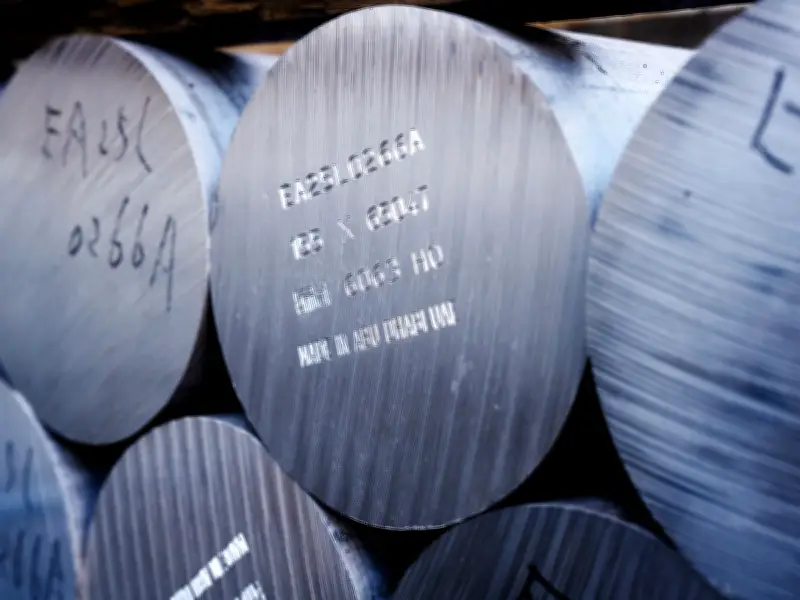
Aluminum slumped to the lowest in more than two months as an interim agreement between the United States and Iran laid the groundwork for the resumption of metal shipments through the Strait of Hormuz.
Prices for the lightweight metal dropped as much as 4.4 per cent in London, as the two sides agreed to a deal, with the strait to reopen when the agreement is expected to be signed on Friday. Details of the plan are still being negotiated.
The Iran war caused steep supply losses as Middle Eastern aluminum smelters were targeted in missile attacks and the closure of the vital waterway choked off supplies of incoming raw materials and outbound metal. Producers responded with logistical workarounds to keep plants running, but the war still left the industry contending with a major supply deficit.

Analyst Views on Price Vulnerability
“Aluminum prices look vulnerable near-term as supply risks ease and demand concerns persist,” Bank of America analysts including Michael Widmer said in a note. While production from the Middle East, which accounts for about 10 per cent of global supply, dropped by 35 per cent year-on-year in April, there’s a risk that this is partly offset by rising production in and from China, the world’s largest producer, according to the analysts.
Other downside risks for aluminum prices include the release of Middle East aluminum inventories should the Strait of Hormuz reopen and increased supply from smelters in Indonesia, the analysts added.
Deal Details and Shipowner Concerns
President Donald Trump said Sunday in a social media post that he was authorizing the “toll free opening” of Hormuz. Iran will allow free transit through the waterway for only 60 days, Fars news agency reported, citing a person familiar with the matter.
Still, shipowners say they need more details to assess whether safe transits are possible, and some analysts expect that the aluminum industry will continue to face an uphill struggle in replenishing diminished reserves as other supply headwinds continue.
China's Role and Inventory Drawdowns
China has ramped up exports since the war began, but producers are now running into a government-imposed cap on output. Manufacturers have tapped inventories held on exchange and in private storage, and drawdowns may continue while flows from the Middle East remain constrained, according to Gregory Shearer, head of base and precious metals research at JPMorgan Chase & Co.
“If the strait does reopen, we could see a knee-jerk drop in prices because aluminum has been highly correlated with energy,” Shearer said. “But we still conclude that the market is facing a major supply gap, and the key question is how much longer it will be before those invisible inventories are depleted, and visible inventories start to be drawn down.”
Aluminum on the London Metal Exchange fell 4.2 per cent to US$3,385.50 a ton as of 4:18 p.m. local time. All other LME metals were higher, with copper up 0.4 per cent at US$13,746.50 a ton, while tin jumped 2.8 per cent.