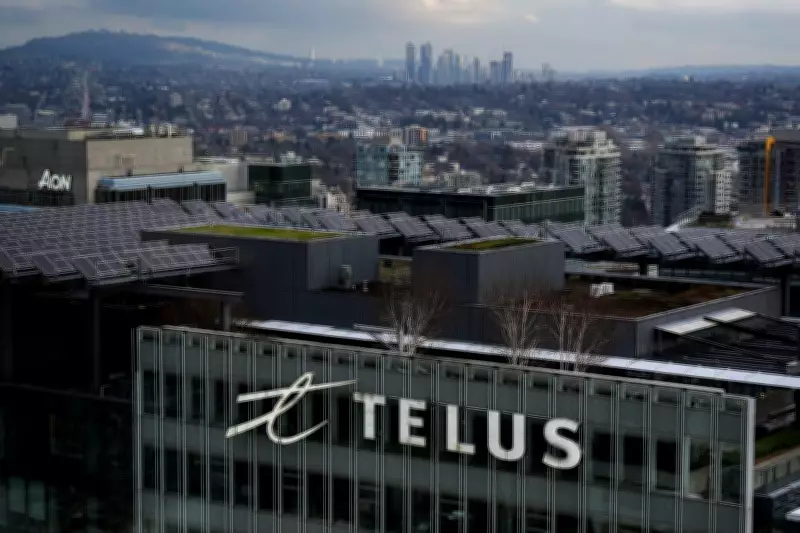
Concerns are mounting over the environmental impact of new artificial intelligence data centres in Metro Vancouver, as the region grapples with a worsening water shortage. Critics argue that the facilities, which require significant amounts of water for cooling, could exacerbate the crisis.
Water Usage Under Fire
Metro Vancouver is currently facing a severe drought, prompting officials to impose water restrictions. However, the approval of several large-scale AI data centres has raised eyebrows among environmentalists and local residents. These facilities consume vast quantities of water to keep servers from overheating, leading to fears that they will strain already limited resources.
"Metro Vancouver is running out of water," said a spokesperson for a local environmental group. "It's irresponsible to approve these data centres without a clear plan for sustainable water management."

Energy Concerns
In addition to water usage, the data centres also demand substantial electricity, which could increase reliance on fossil fuels. British Columbia's energy minister recently announced four new wind farms to boost energy sovereignty, but critics say this may not be enough to offset the power needs of AI facilities.
"The province is trying to transition to renewable energy, but these data centres could undermine that progress," noted an energy analyst. "We need to balance technological advancement with environmental stewardship."
Political Reactions
The issue has sparked debate among politicians. Some argue that AI data centres are crucial for economic growth and innovation, while others call for stricter regulations to protect water and energy supplies. The federal government has spent over $800 million on AI contracts and licensing in the past three years, highlighting the growing importance of the sector.
Prime Minister Carney is expected to announce a national electricity strategy on Thursday, which may address the energy demands of data centres. Meanwhile, local officials are under pressure to reassess approval processes for such facilities.
Community Response
Residents have voiced their concerns at public meetings, demanding transparency about water and energy consumption. Some have suggested that data centres should be required to use recycled water or invest in alternative cooling technologies.
"We're not against technology, but we need to ensure it doesn't come at the cost of our environment," said a local activist. "The government must prioritize sustainable development."
As the debate continues, the future of AI data centres in Metro Vancouver remains uncertain, with many calling for a moratorium until comprehensive environmental impact assessments are completed.