Conservation easement protects 16 hectares of native fescue grassland
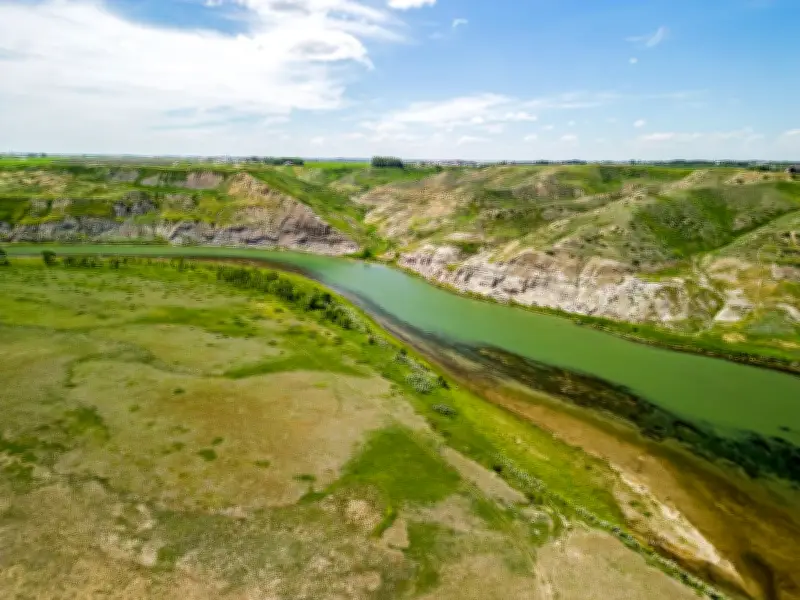
The Nature Conservancy of Canada (NCC) has announced a conservation agreement with the Southwell family to preserve a 16-hectare property near Waterton Lakes National Park. The property, located about 230 kilometres south of Calgary near Police Outpost Provincial Park, contains native fescue grassland, the most endangered type of grassland ecosystem in Canada.
Under the agreement, a conservation easement will prevent any future development on the land, while allowing the Southwell family to continue seasonal living and grazing of cattle and horses. The family purchased the property in 2018.
Critical habitat for wildlife and carbon storage
Jeremy Hogan, NCC’s director of prairie grassland conservation, said the agreement represents a win-win for conservation and ranching. “That cattle production is providing ecological benefit to the grasslands, and the grasslands are providing productivity benefits for the ranchers,” Hogan said.

Fescue grasslands are among the most endangered ecosystems in Canada. In Alberta, only about 15 per cent of original fescue grassland remains, according to Hogan. These grasslands also serve as significant carbon sinks, storing up to 150 tonnes of carbon per hectare. Hogan noted that half of that carbon is released immediately if the land is broken for crop cultivation.
Connectivity corridor for wildlife
The Southwell property forms part of a nearly 6,000-hectare connectivity corridor that supports species such as pronghorn, grizzly bears, deer and elk. The area is also within the core range for grassland songbirds, the most endangered bird group in North America. Documented species of management concern include black tern, eastern kingbird, sora and trumpeter swan.
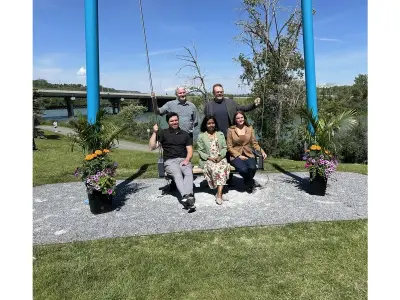
Rob Southwell said the decision to conserve the property was easy given the opportunity to work with neighbours to protect a larger connected area. “This way, we know it will always be there for the wildlife and for people to appreciate,” Southwell said in a statement.
Partnerships and funding
The project was supported by Cenovus Energy through the Conserving Critical Wetlands Program. A portion of the property was donated under the federal Ecological Gifts Program, which provides enhanced tax incentives for donations of ecologically significant land. This agreement adds to 14 previous NCC conservation projects in the area, totalling about 5,700 hectares.