Europe's record heatwave has overwhelmed Paris mortuaries, leaving funeral directors struggling to cope with a surge in deaths and families facing distress. Véronique Bertrand, a funeral director, worked the phones Sunday, June 28, 2026, at her office in Paris, as the city grappled with the aftermath of extreme temperatures that have broken records across the continent.
Record Temperatures and Rising Death Toll
France recorded around 1,000 additional deaths during the heatwave, according to preliminary data. The extreme heat, which shattered previous European records, has placed immense strain on mortuary facilities in Paris and other major cities. Funeral directors report being overwhelmed by the number of bodies requiring storage and processing.
"We are working around the clock, but the volume is unprecedented," Bertrand said in an interview. "Families are waiting longer for services, and it's heartbreaking."

Impact on Families and Funeral Services
The heatwave has caused significant distress for families, who face delays in arranging funerals. Mortuaries have reached capacity, forcing some to use temporary refrigeration units. The situation is particularly acute in the Paris region, where temperatures exceeded 42°C (107.6°F) during the peak of the heatwave.
"We've never seen anything like this," said a spokesperson for the Paris funeral directors' association. "The combination of extreme heat and the sheer number of deaths has created a crisis."
Broader European Context
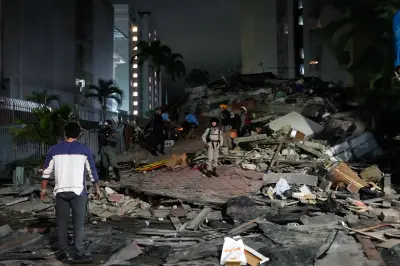
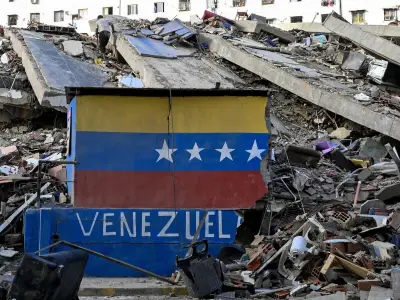
The heatwave has affected multiple European countries, with several nations reporting record-breaking temperatures. In Sweden, a lightning strike at an amusement park injured several people, while in Venezuela, a separate earthquake has caused widespread devastation, with the death toll reaching 1,430. However, the focus remains on Europe's heatwave, which has been linked to climate change.
Scientists have warned that such extreme weather events are becoming more frequent and intense due to global warming. The European heatwave of 2026 is among the deadliest on record, with hundreds of excess deaths reported across the continent.
Government Response and Public Health Advice
French authorities have activated emergency protocols to manage the crisis, including setting up cooling centers and issuing public health warnings. The government has urged vulnerable populations, such as the elderly and those with pre-existing health conditions, to take precautions.
"We are doing everything we can to support the affected families and ensure that mortuary services can cope with the demand," said a spokesperson for the French health ministry. "Our priority is to prevent further loss of life and provide assistance to those in need."