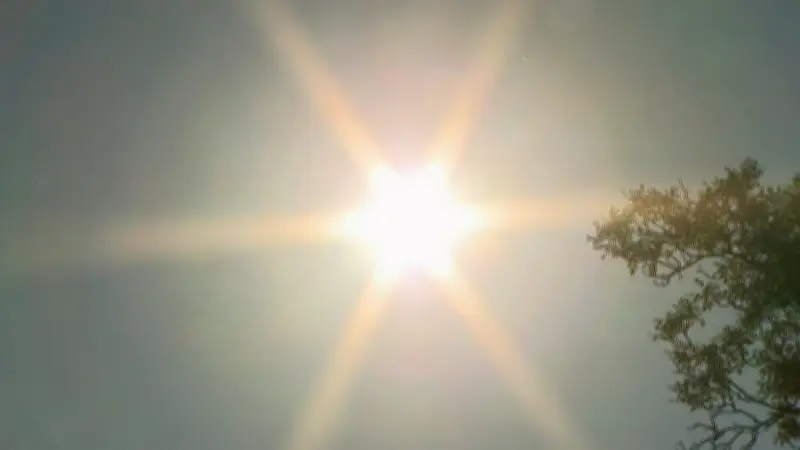
A heat dome building over the United States is set to push scorching temperatures into parts of Canada, according to weather forecasts. The phenomenon, which traps hot air under a high-pressure system, is expected to affect regions from the Pacific Northwest to the Prairies over the coming days.
What Is a Heat Dome?
A heat dome occurs when a strong ridge of high pressure traps hot air beneath it, preventing it from escaping. This can lead to prolonged periods of extreme heat. Meteorologists warn that temperatures could soar above 40 degrees Celsius in some areas, posing health risks and increasing the likelihood of wildfires.
Affected Regions in Canada
The heat dome is projected to push northward from the U.S., impacting British Columbia, Alberta, Saskatchewan, and parts of Manitoba. Environment Canada has issued heat warnings for several communities, advising residents to take precautions. The extreme heat is expected to last through the weekend and possibly into early next week.

Health and Safety Concerns
Health officials are urging people to stay hydrated, avoid strenuous outdoor activities during peak heat hours, and check on vulnerable neighbors. Heat-related illnesses such as heatstroke and dehydration are a serious risk. Cooling centers are being opened in some cities to provide relief.
Wildfire Risk
The combination of high temperatures, low humidity, and dry vegetation raises the risk of wildfires. Firefighters are on high alert, particularly in British Columbia, which has experienced devastating wildfires in recent years. Authorities are reminding the public to follow fire bans and report any signs of smoke.
Comparison to Previous Heat Waves
This heat dome is reminiscent of the 2021 heat wave that shattered temperature records in British Columbia and contributed to hundreds of deaths. However, officials say they are better prepared this time, with improved warning systems and public awareness campaigns.
Climate Change Connection
Scientists say climate change is making heat domes more frequent and intense. A study from the University of British Columbia found that the 2021 heat wave was made at least 150 times more likely due to human-caused climate change. The current event serves as another reminder of the need to reduce greenhouse gas emissions.