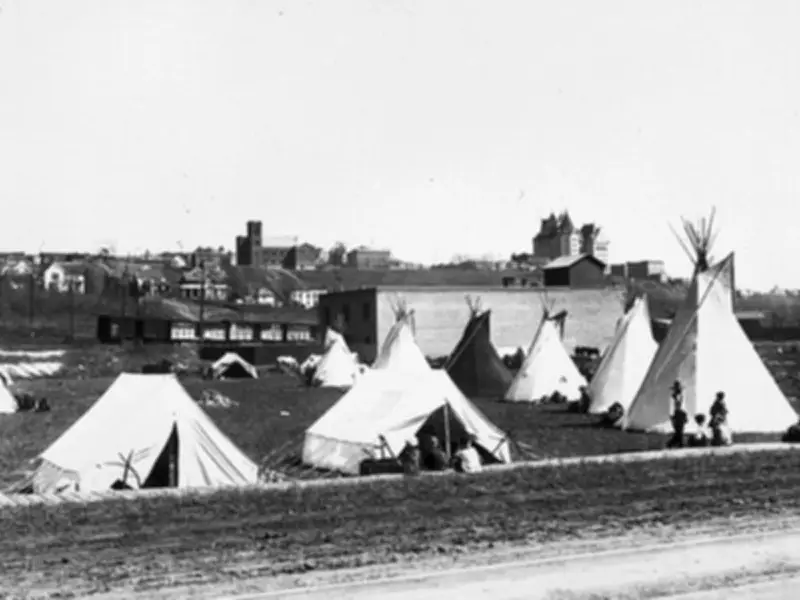
Two days after National Indigenous Peoples Day, Edmonton city council will hold a public hearing to vote on rezoning Rossdale—a culturally significant Indigenous area and former burial site—for residential and commercial development up to 15 storeys. The plan involves selling over 10 acres of river valley open space to create a Granville Island-type community, a move critics say is shortsighted on multiple fronts.
Flood plain risks ignored
Rossdale sits on a flood plain. The 1915 Rossdale flood displaced 2,000 people, destroyed 50 buildings, and submerged over 700 homes. In 1986, the river rose 12 metres, flooding homes again. With extreme weather increasing, severe flooding remains probable. The 2013 Calgary flood caused $6 billion in losses and fatalities. Cities worldwide are removing concrete and rewilding flood plains; Edmonton's plan runs counter to that trend.
Wildlife corridor at risk
Edmonton's river valley is a vital wildlife corridor connecting the Rocky Mountains to Hudson Bay—unique for a city. The central river valley is already the corridor's greatest pinch point. The city's Ribbon of Green plan, updated in 2026, pledges to protect ecological connectivity, but the Granville Island model would replace open space and further disrupt the corridor.

Indigenous consultation concerns
Despite administration citing a 'broadened approach' to notify Indigenous governments and organizations due to the area's historical and cultural significance, only five people responded to the rezoning notice—none from the Indigenous groups contacted. The 1,119-page report does not indicate Indigenous consent was obtained. The city's Indigenous framework commits to the United Nations Declaration on the Rights of Indigenous Peoples (UNDRIP), which requires free, prior, and informed consent on decisions affecting Indigenous peoples and their territories.