A surge in fossil fuel use to power artificial intelligence data centers is prompting calls for cleaner energy alternatives. As demand for AI computing grows, energy companies are turning to natural gas plants to meet the load, raising concerns among environmental advocates.
Gas plants rise to meet AI energy demand
According to the Associated Press, the rapid expansion of AI infrastructure is driving a significant increase in electricity consumption. Data centers require massive amounts of power for both computing and cooling, leading utilities to rely on fossil fuels, particularly natural gas, to ensure reliability.
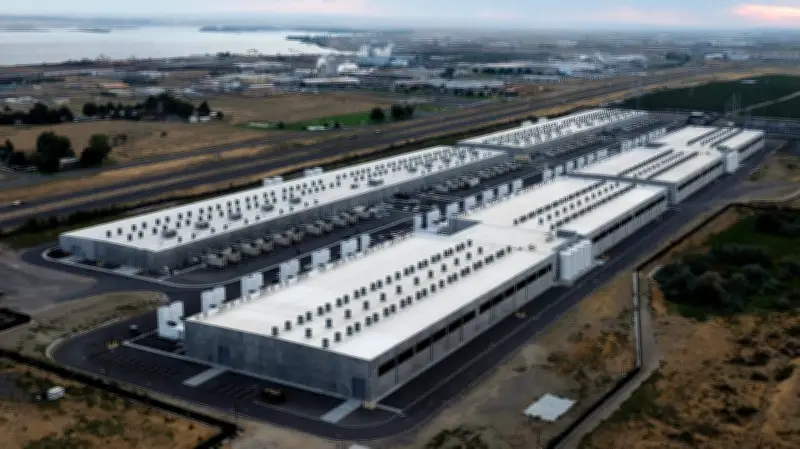
In the United States, several new gas-fired power plants are being planned or constructed near AI hubs. For example, Amazon Web Services operates a data center in Boardman, Oregon, highlighting the industry's footprint. The trend is not limited to the U.S.; globally, energy grids are under pressure to support the technology boom.

Renewable energy advocates push back
Environmental groups argue that the shift toward fossil fuels undermines climate goals. They advocate for accelerated investment in solar, wind, and battery storage to power AI sustainably. "We cannot let AI become an excuse to delay the clean energy transition," said a spokesperson for the Sierra Club in a statement.
Some tech companies are responding by signing power purchase agreements for renewable energy. However, critics note that these commitments often fall short of matching actual consumption growth. The International Energy Agency has warned that data center electricity demand could double by 2030, potentially straining decarbonization efforts.
Policy and innovation as solutions
Policymakers are being urged to incentivize clean energy adoption for AI. Proposals include tax credits for renewable-powered data centers and stricter emissions standards. Meanwhile, innovations in energy-efficient computing and AI algorithms could reduce power needs.
"The industry must prioritize sustainability from the start," said a researcher at Stanford University. "Otherwise, we risk locking in fossil fuel dependence for decades." The debate underscores the tension between technological progress and environmental responsibility.