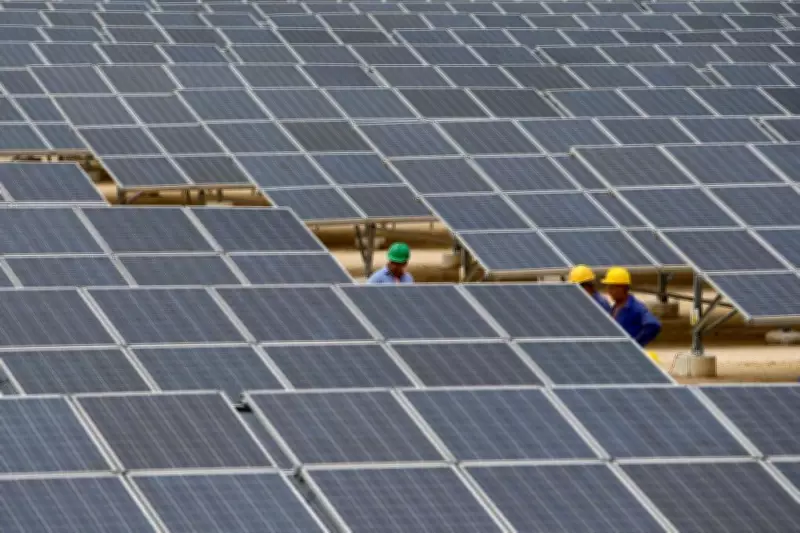
As the United States tightens its oil embargo, Cuba is experiencing one of the fastest solar energy transitions in the world, with significant assistance from China. According to a CNN report published on May 13, 2026, the Caribbean nation is rapidly deploying solar panels and building solar farms to reduce its dependence on imported fossil fuels.
A Rapid Shift to Solar Power
Cuba's solar revolution has been remarkable in its speed and scale. The country aims to generate 24% of its electricity from renewable sources by 2030, with solar playing a major role. China has been a key partner, providing technology, financing, and expertise for large-scale solar projects.
China's Role in Cuba's Energy Transition
Chinese companies have supplied solar panels and built several solar farms across Cuba. In exchange, Cuba has offered access to its nickel and other resources. This partnership has accelerated Cuba's renewable energy goals despite the U.S. embargo that restricts trade and investment.

Challenges and Opportunities
Cuba faces significant hurdles, including aging infrastructure and limited access to international finance. However, the solar push is helping to alleviate frequent blackouts and reduce the country's reliance on expensive oil imports. The Cuban government has also introduced incentives for residential solar installations.
The solar revolution is not just about energy; it is also a symbol of Cuba's resilience and its ability to forge strategic alliances. With China's help, Cuba is demonstrating that even a small island nation can make big strides in renewable energy.