Cuba is facing a severe energy crisis as the government announced that fuel supplies have 'run out,' leading to widespread blackouts and protests across the island. The situation has escalated in recent days, with residents in Havana and other cities taking to the streets to express their frustration over prolonged power outages that have disrupted daily life and economic activity.
Fuel Shortage Triggers Emergency Measures
The Cuban government stated that the fuel shortage is due to a combination of factors, including the ongoing U.S. embargo, logistical challenges, and a lack of foreign currency to purchase fuel on international markets. Authorities have implemented emergency measures, including rotating blackouts and rationing of electricity, but these have failed to appease the public.
Protests Erupt in Havana
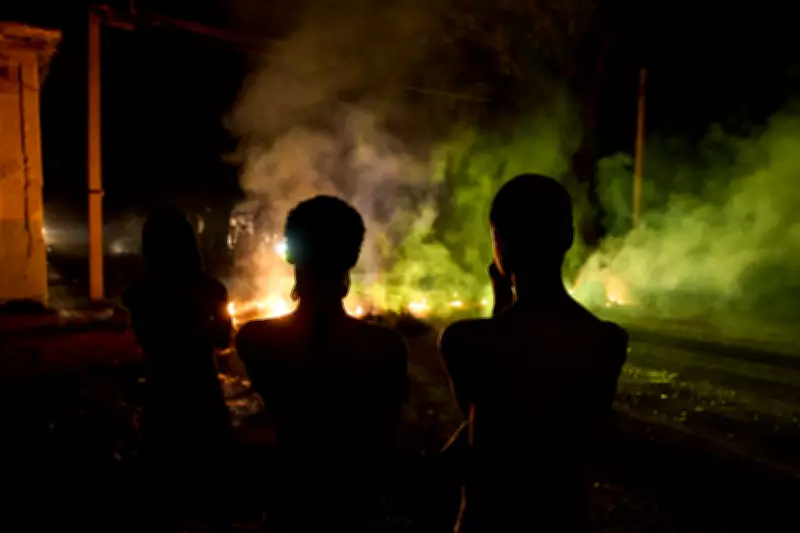
On Wednesday, May 13, 2026, residents in Havana set up barricades and protested against the prolonged power outages. The protests, which began peacefully, have occasionally turned confrontational as police attempted to disperse crowds. Images from the scene show people gathering around makeshift barricades, demanding the government restore electricity and address the broader economic crisis.

Impact on Daily Life
The blackouts have severely impacted daily life in Cuba. Hospitals are operating on backup generators, businesses have been forced to close, and food spoilage has become a major concern due to lack of refrigeration. Many residents rely on kerosene lamps and candles for light, raising safety concerns about fires.
Economic Crisis Deepens
The fuel shortage is the latest blow to Cuba's struggling economy, which has been hit by a sharp decline in tourism, reduced remittances, and the effects of U.S. sanctions. The government has acknowledged the severity of the situation, with officials stating that the country is facing its worst economic crisis in decades.
International Response
The international community has expressed concern over the situation in Cuba. Some countries have offered humanitarian aid, but the Cuban government has been cautious about accepting assistance, citing political conditions attached to such offers. The United Nations has called for a peaceful resolution and urged all parties to prioritize the well-being of the Cuban people.
As the crisis continues, Cubans are left grappling with uncertainty, hoping for a swift resolution to the fuel shortage and the restoration of basic services.