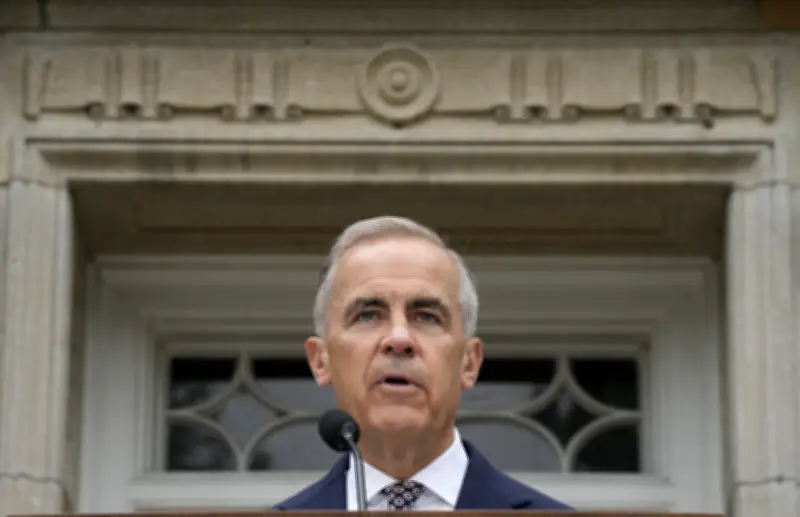
Prime Minister Mark Carney conceded on Tuesday that Canada will not meet its 2030 greenhouse gas emissions reduction targets, instead unveiling a revised energy strategy that prioritizes natural gas and nuclear power. Speaking at a press conference in Ottawa, Carney said the original goals, set under the previous Liberal government, were “unrealistic” given current economic pressures and infrastructure limitations.
A Shift in Climate Policy
“We have to be honest with Canadians: we are not going to hit those 2030 targets,” Carney stated. “But that does not mean we are abandoning our climate commitments. We are recalibrating our approach to ensure we can reduce emissions while keeping energy affordable and our economy competitive.” The new plan, dubbed “Powering Canada’s Future,” includes investments in small modular nuclear reactors, expanded liquefied natural gas (LNG) exports, and carbon capture technology. The government aims to achieve net-zero emissions by 2050, but with a more gradual trajectory.
Reactions and Criticism
Environmental groups quickly condemned the announcement. “This is a betrayal of Canada’s promises to the world and to future generations,” said Sarah Grey, executive director of the Climate Action Network Canada. “Walking away from 2030 targets without a credible alternative is dangerous.” However, industry leaders welcomed the shift. “Natural gas is a bridge fuel, and Canada has an opportunity to supply it to the world while reducing global emissions,” said John Smith, CEO of the Canadian Association of Petroleum Producers.

Economic and Political Context
The decision comes amid rising energy costs and pressure from trade partners. Canada’s emissions have dropped only 8% from 2005 levels, far short of the 40-45% reduction pledged under the Paris Agreement. The new plan also aims to create jobs in the energy sector, particularly in Alberta and Saskatchewan. Carney emphasized that the strategy would be “technology-neutral” and include support for renewable energy, but critics argue it leans too heavily on fossil fuels.