BC Climate Innovations: Lithium Refining Breakthrough and AI Wildfire Forecasting
In a significant week for climate action in British Columbia, two local companies are making headlines with groundbreaking technologies aimed at addressing environmental challenges. A Delta-based firm has inaugurated a lithium refining plant featuring first-in-North-America technology, while another BC company has developed an artificial intelligence 'scout' designed to predict wildfire risks months before fire season begins.
Revolutionary Lithium Refining Facility Opens in Delta
The newly opened lithium refining plant in Delta represents a major advancement in North America's clean energy infrastructure. This facility employs proprietary technology never before seen on the continent, positioning BC at the forefront of lithium processing crucial for electric vehicle batteries and renewable energy storage systems. The plant's innovative approach promises to enhance domestic supply chains for critical minerals while reducing reliance on international sources.
AI Model Predicts Wildfire Dangers Months in Advance
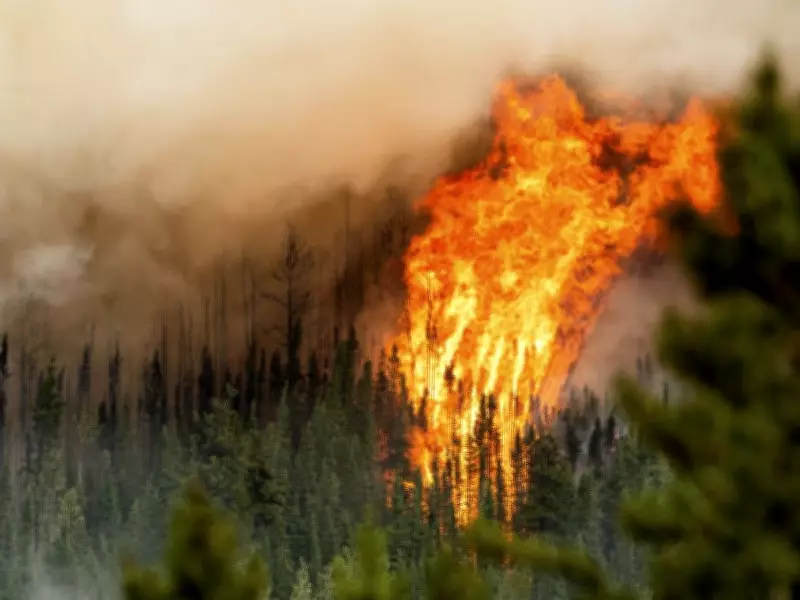
Simultaneously, a separate BC company has created an artificial intelligence system that analyzes multiple data streams—including drone footage, historical weather patterns, and vegetation conditions—to forecast wildfire risks with unprecedented lead time. This AI 'scout' enables communities to implement preventive measures and allocate resources more effectively, potentially saving lives and property during increasingly severe fire seasons.

The Urgent Climate Context
These developments occur against a backdrop of accelerating climate change impacts. According to the UN's Intergovernmental Panel on Climate Change, human activities such as fossil fuel combustion and intensive agriculture remain primary drivers of global warming. Scientific consensus confirms that Earth is warming at an unprecedented rate, with atmospheric carbon dioxide concentrations reaching 429.35 parts per million as of March 5—a dramatic increase from under 320 ppm in 1960.
Recent climate data highlights the urgency:
- The global average temperature in 2023 reached 1.48°C above pre-industrial levels, breaching the 1.5°C threshold in 2024 at 1.55°C.
- 2025 marked the third warmest year on record, continuing an 11-year streak of record warmth.
- Human activities have increased atmospheric CO2 concentrations by nearly 49% since 1850.
- The world remains off track to meet Paris Agreement targets, with projections suggesting potential warming of 2.3°C to 2.5°C this century.
NASA climate scientists emphasize that human influence has raised atmospheric carbon dioxide by 50% in less than two centuries, creating unequivocal warming effects. The IPCC has issued repeated warnings that climate emergencies—including deadly heat domes, catastrophic flooding, and intensifying wildfires—will become more frequent without immediate action.
These BC innovations demonstrate how technological solutions can address both mitigation and adaptation aspects of the climate crisis. The lithium refining plant supports the transition to renewable energy, while the AI wildfire prediction system helps communities prepare for climate impacts already underway.