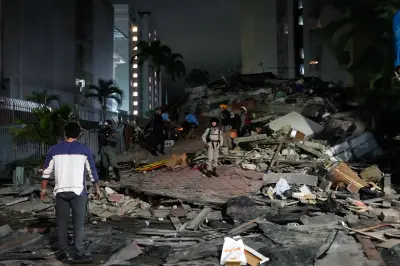
Following the capsizing of a commercial charter boat off Richmond on Sunday, June 28, 2026, which left six people missing and presumed drowned, questions have arisen about life-jacket regulations for charter boats in British Columbia. The province has now recorded at least 20 confirmed drowning fatalities, potentially up to 28, in 2026, according to the Lifesaving Society’s B.C. and Yukon branch. Two recent potential drownings—one on the Elk River near Fernie on June 20 and one in the Columbia River near Castlegar on June 21—have added to the toll.
Life-Jacket Requirements Under Transport Canada Rules
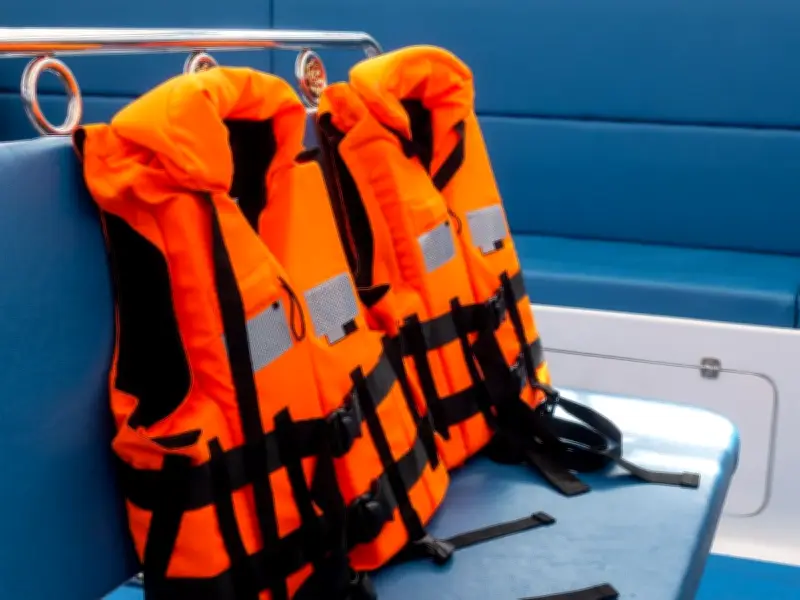
Transport Canada mandates that every watercraft must carry a life-jacket or personal flotation device (PFD) for each person on board. However, wearing life-jackets is not compulsory for adults. In British Columbia, children under the age of 12 are required to wear a life-jacket at all times while on a vessel, except when in enclosed areas.
“Life-jackets are an essential tool to save lives and can be the difference between life and death after an unexpected fall into water or capsizing of a boat/vessel,” said Lenea Grace, executive director of the Lifesaving Society’s B.C. and Yukon branch.

Cold Water Shock: A Life-Threatening Danger
Brian Twaites, paramedic public information officer with B.C. Emergency Health Services, emphasized the dangers of sudden immersion in cold water. “Here in B.C., we have the Pacific Ocean, and many rivers and lakes that are glacier fed, including in Lynn Canyon where water temperatures rarely rise beyond 15 degrees Celsius,” he said.
Twaites explained that cold water shock triggers an involuntary fight-or-flight response: “Your body uncontrollably gasps for air, even underwater. If your head is underwater, you will bring water in. That gasp is followed by hyperventilation, strain on your cardiovascular system. Cold water incapacitation can occur within minutes.”
How Life-Jackets and PFDs Differ
A properly fitted life-jacket keeps a person’s head above water even if they lose consciousness, while a PFD is lighter and trimmer, helping the wearer float but not necessarily keeping the head above water. “Life-jackets save lives. If you are going to be on or near the water, make sure you have them on, especially youngsters who can’t swim or are weak swimmers,” Twaites added.
Survival Tips for Cold Water Falls
Twaites advised that if someone falls into cold water, they should not panic. “Focus on controlling your breathing, keep your airway above water, balance yourself in the water, and lie on your back if you can. Don’t swim immediately, but get control of your breathing and your panic first. If you don’t get control of the panic and breathing, you will get into trouble.”
He also recommended the heat escape lessening posture (HELP position): bringing knees up to the chest and wrapping arms around the knees to slow heat loss from the body.
Recent Incidents Highlight Risks
The charter boat that capsized off Richmond on Sunday sent a mayday call, leading to the rescue of four people. Six others remain missing and are presumed drowned. This incident follows the capsizing of a clam-fishing boat off Savary Island that killed three men. The Lifesaving Society’s data indicates that drowning fatalities in B.C. are on the rise in 2026, with at least 20 confirmed deaths and up to 28 possible.