Weekly Climate News Roundup: Global Developments and Local Impacts
Here is the latest comprehensive update on climate change and biodiversity developments from British Columbia and around the world for the week of January 19 to January 25, 2026. This report covers significant policy movements, environmental disasters, and the most current scientific findings that are shaping our understanding of the planetary crisis.
Major Climate Stories This Week
Several critical climate-related events have unfolded across the globe this week, highlighting both technological transitions and human tragedies connected to our changing environment.
- Chinese Electric Vehicles Eyeing B.C. Market: Industry observers are watching closely as Chinese-manufactured electric vehicles, including models from prominent manufacturer BYD, appear poised to enter the British Columbia automotive market. This development represents a significant shift in North American electric vehicle availability and could accelerate transportation electrification in the province.
- Innovative Flood Protection in Richmond: A pilot project based in Richmond is exploring the use of sediment from the Fraser River to create natural barriers that protect coastal communities from flooding. This nature-based solution demonstrates how local innovation is addressing climate adaptation challenges.
- Political Climate Commentary: Former U.S. Vice President Al Gore has publicly criticized political opposition to offshore wind power development, calling such resistance "insane" given the urgent need for clean energy transition. His comments highlight ongoing political debates surrounding climate solutions.
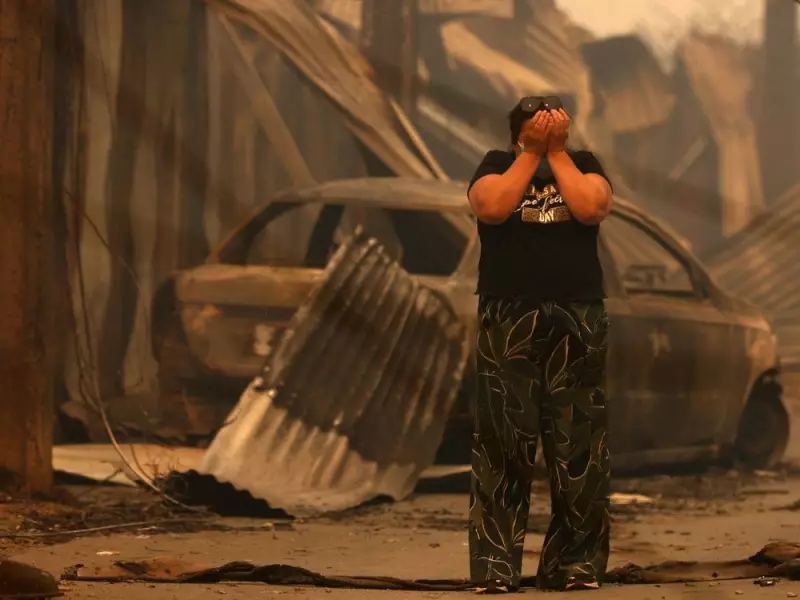
- Chile Wildfire Tragedy: Devastating wildfires in Chile have claimed at least 21 lives amid extreme heat conditions, forcing scores of residents to evacuate their homes. The fires have left communities in ruins, with photographs showing charred remains of residential areas and vehicles in affected regions like Concepción.
The Science Behind Climate Change
According to the United Nations Intergovernmental Panel on Climate Change, human activities including fossil fuel combustion and intensive livestock farming remain the primary drivers of climate disruption. These activities increase heat-trapping greenhouse gas concentrations in Earth's atmosphere, elevating global surface temperatures with cascading environmental consequences.

The international scientific panel, which includes researchers from British Columbia, has issued repeated warnings over decades that climate change would lead to more frequent and intense extreme weather events. Their assessments have highlighted the increasing probability of wildfires, heat waves like B.C.'s deadly 2021 heat dome, and catastrophic flooding events as direct outcomes of the climate emergency.
Current Atmospheric Conditions
Recent monitoring data reveals concerning trends in atmospheric carbon dioxide levels, which serve as a key indicator of climate change progression:
- As of January 5, 2026, atmospheric carbon dioxide measured 427.49 parts per million at the Mauna Loa Observatory in Hawaii, showing a slight increase from 426.46 ppm the previous month.
- This continues a steady upward trajectory from under 320 ppm recorded in 1960, according to data from the National Oceanic and Atmospheric Administration.
- NASA climate scientists confirm that human activities have increased atmospheric carbon dioxide concentrations by approximately 50 percent in less than two centuries.
Global Temperature Records and Targets
The latest climate data presents a sobering picture of accelerating global warming:

- The global average temperature reached 1.48 degrees Celsius above pre-industrial levels in 2023, according to the European Union's Copernicus Climate Change Service.
- 2024 exceeded the critical 1.5-degree threshold at 1.55 degrees Celsius above pre-industrial averages.
- 2025 marked the third warmest year on record following 2024 and 2023, completing eleven consecutive years of record-breaking temperatures.
- Current emissions trajectories suggest the world is not on track to meet the Paris Agreement goal of limiting warming to 1.5 degrees Celsius.
- The United Nations Environment Programme's 2025 Emissions Gap Report indicates that even with existing national commitments, global temperatures could still rise between 2.3 and 2.5 degrees Celsius this century.
There exists overwhelming scientific consensus that Earth's climate is warming at an unprecedented rate due to human influence. The window for limiting the most catastrophic impacts of climate change continues to narrow as atmospheric carbon dioxide concentrations reach record levels, exceeding 430 parts per million in June 2025.