Tundra Swans Gather in Waterloo as Spring Migration Commences
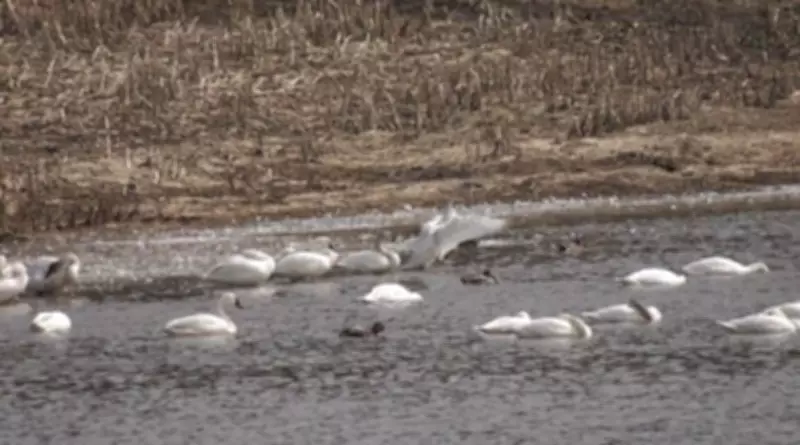
Dozens of tundra swans made a picturesque stop at a pond near Kressler Road and Benjamin Road in Waterloo, Ontario, on March 25, 2026, signaling the onset of their annual spring migration. This remarkable gathering offers a stunning display of nature's rhythms, as these elegant birds pause to rest and refuel during their long journey northward.
A Seasonal Spectacle in Waterloo
The appearance of tundra swans in Waterloo is a cherished seasonal event that draws birdwatchers and nature enthusiasts alike. These large, white birds, known for their distinctive honking calls and graceful flight, typically migrate from wintering grounds in the southern United States to breeding sites in the Arctic. Waterloo's ponds and wetlands provide an ideal habitat for them to rest and feed on aquatic plants before continuing their arduous trek.
This year's sighting underscores the importance of local ecosystems in supporting migratory wildlife. As climate change and habitat loss pose increasing threats to bird populations, such stopovers become critical for their survival. The tundra swans' presence serves as a reminder of the delicate balance between human development and natural conservation efforts.

Insights into Migration Patterns
Tundra swans are known for their impressive migratory feats, traveling thousands of kilometers each year. Their spring migration typically begins in late February or early March, with flocks moving northward in stages. Waterloo's location along their flight path makes it a prime spot for observing these birds up close.
Experts note that the timing and success of migrations can be influenced by various factors, including weather conditions and food availability. Mild temperatures and open water in the region likely contributed to the swans' decision to stop in Waterloo this year. Birdwatchers are encouraged to visit the area respectfully, keeping a safe distance to avoid disturbing the birds during this crucial resting period.
Conservation and Community Engagement
The arrival of tundra swans in Waterloo not only delights observers but also highlights ongoing conservation initiatives. Local environmental groups often use such events to raise awareness about protecting wetlands and other natural habitats. These efforts are vital for ensuring that migratory species have safe corridors to travel through.
As spring progresses, more flocks of tundra swans and other migratory birds are expected to pass through the region. Residents and visitors are urged to appreciate these natural wonders while supporting policies that safeguard wildlife habitats. The sight of these majestic swans soaring overhead is a powerful testament to the resilience and beauty of the natural world.