Trump Should Thank Canada for Arctic Security, Not Threaten Allies, Expert Says
In the vast and perilous Arctic region, Canada is making significant investments to bolster security for North America, while the United States has largely withdrawn from its outposts in Greenland since the Cold War era. Now, as former President Donald Trump raises Arctic security issues, he is undermining serious dialogue by threatening the sovereignty of key allies like Canada and Denmark, according to a retired Canadian military commander.
Perspective from a Seasoned Arctic Expert
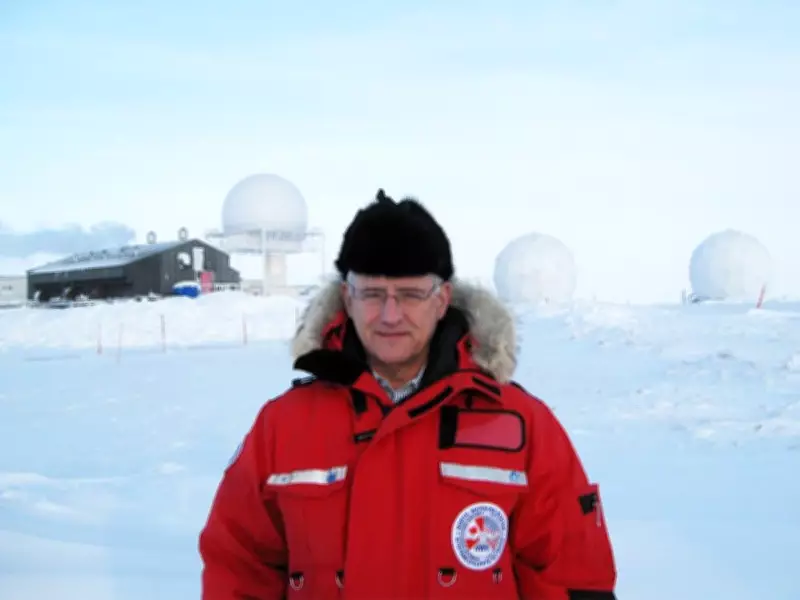
To gain a realistic understanding of the situation, I spoke with Pierre Leblanc, a former commander of Canada's Arctic forces. Leblanc served 33 years in the Canadian Forces, including five years leading Joint Task Force North, which is responsible for defending Yukon, the Northwest Territories, Nunavut, and surrounding Arctic waters. After his military career, he served as president of Arctic Security Consultants and managed Raytheon's operations for the North Warning System, a critical 3,000-mile radar network that provides early warning of airborne threats, such as missiles from Russia, China, or North Korea.
Leblanc's extensive experience, spanning from Alaska to Greenland, gives him a unique vantage point on Arctic security needs. He emphasizes that Trump's behavior is not only "bizarre and damaging" but also misinforms the American public for potential personal gain. This assessment comes in light of Trump's actions, such as displaying maps with U.S. flags over Canadian and Greenlandic territories, which Leblanc views as reckless and unfounded.

The Reality of Arctic Investments and Threats
Canada is spending billions of dollars to enhance Arctic security, a move that directly benefits the United States by protecting North American airspace. In contrast, the U.S. has largely abandoned its military presence in Greenland following the collapse of the Soviet Union. Trump's recent rhetoric, including threats to take control of Greenland "whether they like it or not," has put longstanding allies on edge and sparked concerns about his motivations.
Leblanc points out that such threats are unnecessary and counterproductive. Under a 1951 treaty, the U.S. already has the right to build necessary bases in Greenland through diplomatic means, making Trump's aggressive stance seem more like a ploy for personal or political advantage. This suspicion is fueled by reports, such as those from The New York Times, indicating that Trump and his family have profited significantly from his presidency, raising questions about the integrity of his Arctic policies.
Broader Implications for North American Security
The Arctic is a resource-rich and strategically vital area, with Canada playing a crucial role in its defense. Leblanc's insights highlight that Trump's approach not only damages international relations but also jeopardizes the collaborative security efforts that have long protected the region. Instead of making threats, Trump should acknowledge and thank Canada for its substantial contributions to Arctic security, which safeguard both nations from potential threats.
In summary, as Arctic security becomes increasingly important, it is essential to base discussions on factual assessments rather than political posturing. Experts like Pierre Leblanc urge a return to reasoned dialogue and mutual respect among allies to ensure the stability and safety of the North American continent.