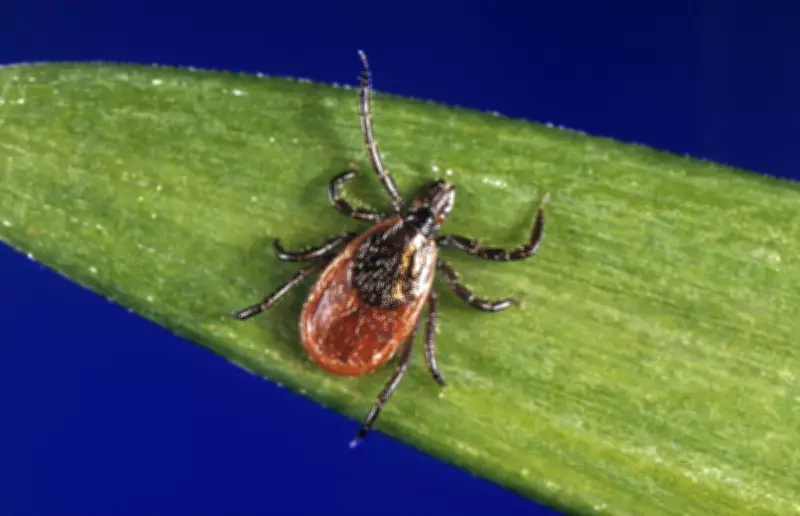
Tick season has officially arrived in Canada, and health officials are urging the public to take precautions against tick-borne illnesses, including Lyme disease. With warmer weather prompting more outdoor activities, the risk of encountering blacklegged ticks—also known as deer ticks—increases significantly.
Understanding Tick Risks
Blacklegged ticks are the primary carriers of Lyme disease in Canada. These tiny arachnids thrive in wooded, brushy, and grassy areas, making them a concern for hikers, campers, gardeners, and anyone spending time outdoors. Lyme disease can cause serious health issues if left untreated, including joint pain, neurological problems, and heart complications.
How to Protect Yourself
Prevention is the best defense. Here are key steps to reduce your risk of tick bites:

- Wear protective clothing: Long-sleeved shirts, long pants, and closed-toe shoes are recommended. Tucking pants into socks can create a barrier against ticks.
- Use insect repellent: Apply repellents containing DEET or icaridin to exposed skin and clothing, following product instructions.
- Avoid tick habitats: Stay on cleared trails and avoid walking through tall grass, leaf litter, or dense brush.
- Perform tick checks: After spending time outdoors, thoroughly check your body, clothing, and gear for ticks. Pay special attention to areas like the scalp, armpits, and groin.
- Shower soon after being outdoors: Showering within two hours of coming indoors can help wash off unattached ticks and reduce the risk of transmission.
What to Do If You Find a Tick
If you find a tick attached to your skin, remove it promptly and carefully. Use fine-tipped tweezers to grasp the tick as close to the skin's surface as possible. Pull upward with steady, even pressure—do not twist or jerk. After removal, clean the bite area and your hands with rubbing alcohol or soap and water. Monitor for symptoms such as rash, fever, or flu-like signs, and consult a healthcare provider if symptoms develop.
Health Canada recommends submitting ticks for testing to identify potential disease risk. Many provinces have tick surveillance programs, and local health units can provide guidance.
Staying Informed
As tick populations expand across Canada due to climate change, awareness and prevention are more important than ever. By taking simple precautions, you can enjoy the outdoors safely while minimizing your risk of tick-borne diseases. For more information, visit your provincial health authority's website or speak with a healthcare professional.