Nova Scotia Officials Urge Caution as Ice Conditions Remain Hazardous
Following a series of recent ice rescues across the province, officials in Nova Scotia are issuing a stern warning to the public regarding dangerously thin ice on lakes and rivers. The advisory comes as fluctuating temperatures and seasonal transitions create unstable conditions that pose significant risks to anyone venturing onto frozen bodies of water.
Recent Incidents Prompt Safety Reminders
Emergency responders have been called to multiple incidents where individuals have fallen through ice, highlighting the precarious nature of current ice thickness. While specific details of the rescues were not fully disclosed, authorities confirm that these events have occurred in various locations, underscoring the widespread nature of the hazard.
"We are seeing ice that is simply not safe for recreational activities," stated a representative from local emergency services. "Even areas that appear solid may have weak spots that can give way without warning."

Visible Evidence of the Problem
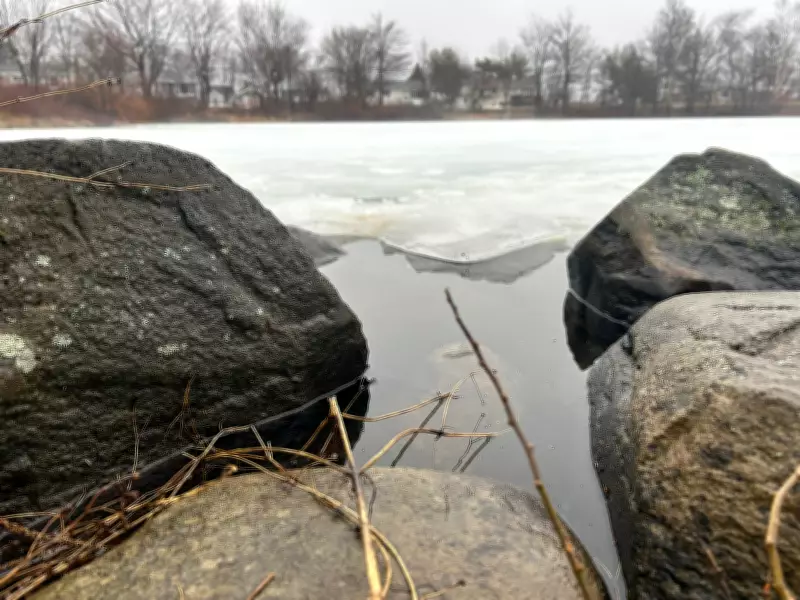
In Halifax, Chocolate Lake serves as a visible example of the concerning conditions. Recent observations show only a thin layer of ice covering the surface, far below the recommended thickness for safe human activity. This visual evidence aligns with reports from conservation officers and park officials across Nova Scotia who are monitoring water bodies throughout the region.
"The combination of recent temperature swings and precipitation has created unpredictable ice formation," explained a weather specialist familiar with maritime conditions. "What might look like stable ice one day can become dangerously thin the next."
Official Safety Recommendations
Authorities are emphasizing several critical safety measures:
- Avoid all recreational activities on frozen lakes and rivers until conditions improve
- If you must be near frozen water, stay on designated shorelines and maintained trails
- Never assume ice is safe based on appearance alone
- Wear appropriate safety gear including life jackets when near frozen water
- Supervise children and pets closely near any frozen bodies of water
Officials note that ice thickness requirements vary depending on the activity, but generally recommend at least 15 centimeters (6 inches) of clear, solid ice for walking, and significantly more for vehicles or group activities.
Broader Context of Winter Hazards
This warning comes amid various winter safety advisories across Canada. From avalanche warnings in mountainous regions to alerts about freezing rain and power outages in other provinces, authorities are reminding citizens that winter conditions require heightened awareness and precaution.
The thin ice advisory specifically targets Nova Scotia's numerous lakes and rivers, which are popular for winter activities like ice fishing, skating, and snowmobiling when conditions permit. Officials stress that while these activities can be enjoyable, they must be approached with proper safety knowledge and respect for changing environmental conditions.
Emergency services recommend that anyone planning winter activities on frozen water consult local authorities for current conditions, check weather forecasts regularly, and always inform someone of their plans and expected return time.