Southern Alberta's Dry Wildfire Conditions Raise Concerns as Spring Approaches
Alberta's forestry minister has voiced significant apprehension regarding the dry and warm conditions persisting in the southern part of the province as the wildfire season commences. While preparations have progressed smoothly, the lack of precipitation in these regions presents a growing challenge for authorities.
Wildfire Season Officially Underway
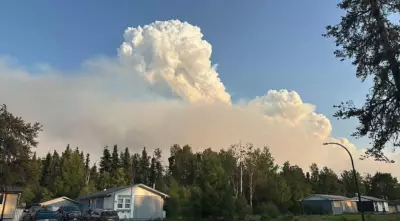
The wildfire season in Alberta officially began on March 1, with provincial records indicating that 30 wildfires have already been extinguished this calendar year. Currently, two fires remain active, and more than 280 hectares of land have been affected by wildfires so far. These statistics underscore the early activity that has characterized this year's season.
Minister Loewen's Assessment of Regional Conditions
Forestry and Parks Minister Todd Loewen provided a detailed assessment of the situation during a recent briefing. "We look at the south and the southwest, those are definitely concerning areas for us. We would like to see a lot more moisture in those areas," he stated. The minister highlighted a stark contrast between northern and southern regions.

In northern Alberta, particularly the northwest, substantial snowfall and rainfall throughout the winter have resulted in abundant moisture levels. Some residents have reported it as the most precipitation they've witnessed in their lifetimes. This moisture provides a buffer against wildfire risks in those areas.
However, the southwest corner of the province faces a more precarious situation. The combination of warm weather and insufficient precipitation has created conditions that heighten wildfire vulnerability as spring approaches.
Preparations and Hopeful Outlook
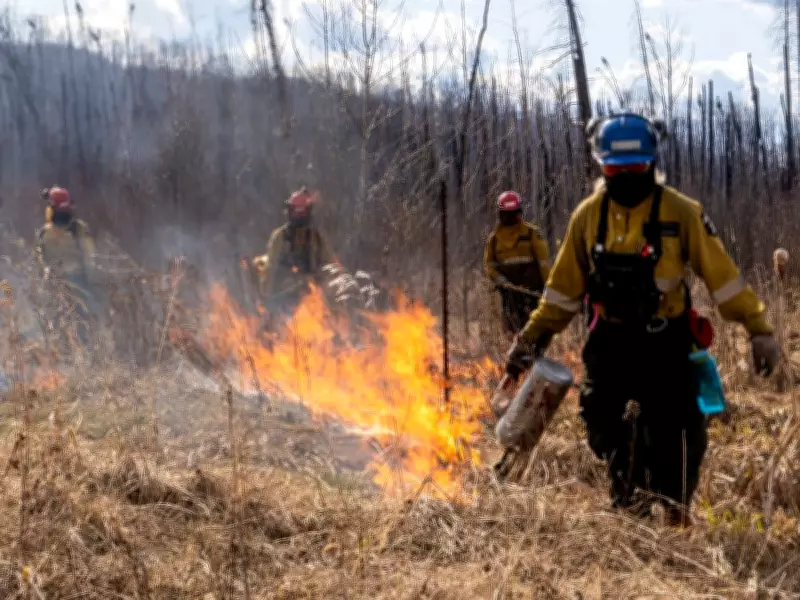
Minister Loewen reported that the province's wildfire readiness is generally in good standing, with most staff hiring already completed. The province maintains constant monitoring of weather conditions to anticipate and respond to potential fire outbreaks.
"We still got a little bit of time left of winter, and hopefully we'll get some more moisture there coming into the spring," Loewen remarked. He specifically emphasized the importance of timely rains in May, noting that this period represents the most volatile time for wildfires in Alberta.
During May, snow has typically disappeared, grass has dried out, and moisture levels in trees decrease significantly. Hot, dry, and windy weather conditions during this period would be particularly concerning for wildfire management officials.
Monitoring and Response Strategy
The province has implemented a proactive monitoring system to track developing conditions across the landscape. "We're constantly monitoring the weather to look for those conditions, and as we see those conditions start, then we will move personnel and equipment into those areas so that we're ready to respond," Loewen explained.
This strategic approach allows for the deployment of resources to areas showing the highest risk indicators, ensuring a rapid response capability when needed. The weather over the next two months will play a crucial role in determining how many fire crews the province will need to deploy throughout the summer season.
As Alberta navigates the early stages of its wildfire season, officials remain cautiously optimistic while acknowledging the challenges presented by the dry southern conditions. The coming weeks will be critical in determining the trajectory of this year's wildfire activity across the province.