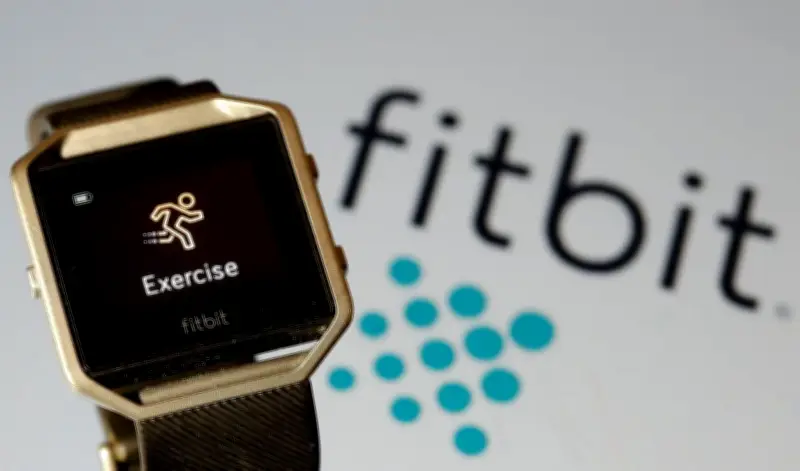
Smart wearables have evolved from simple timekeeping devices to sophisticated supercomputers that monitor our biology. According to a recent column by guest writer Philp, these devices are no longer digital novelties but a profound scientific achievement resting against our skin.
From Casino Shoes to Calculator Watches
The journey to the modern smartwatch began not in a Silicon Valley lab but in a 1960s casino. Brilliant mathematicians built the first wearable computers, hiding crude timing devices in their shoes to predict roulette wheels and beat the house. By the 1980s, the calculator watch became a coveted status symbol. A decade later, simple pendulum-based pedometers were clipped to belts, counting mechanical movements passively.
The Shift to Active Biological Monitoring
The true evolution occurred when wearables shifted from passive counters to active biological monitors. This required a massive leap in miniaturization and materials science. Instead of a clicking pendulum, modern devices use micro-electromechanical accelerometers and gyroscopes. These microscopic sensors track body motion in three-dimensional space with incredible accuracy, distinguishing between a brisk walk, a sudden fall, and restful slumber.

Optical Heart Rate and Blood Oxygen Sensing
The green and red lights flashing on the underside of a fitness tracker are the visible face of photoplethysmography. This optical technique shines specific wavelengths of light through the skin, measuring microscopic changes in light absorption as blood pumps through capillaries. By analyzing these tiny fluctuations, the watch calculates resting heart rate and blood oxygen levels, achieving clinical precision once confined to a hospital ward.
Intelligent Software for Health Anomaly Detection
Raw biological data is useless without intelligent interpretation. Modern software interfaces continuously analyze thousands of data points in the background of our lives. They learn baseline metrics, adjust for daily habits, and can instantly detect dangerous health anomalies.
Privacy Concerns with Expanding Wearable Tech
This rapid evolution has not arrived without public controversy. As wearable technology expands beyond the wrist, privacy implications multiply exponentially. The latest AI-powered smart glasses feature built-in high-definition cameras, sensitive microphones, and spatial computing overlays, raising new concerns about surveillance and data security.