Scientists Dive Deep Under Arctic and Antarctic Ice to Uncover Ocean Secrets
Beneath the vast, frozen expanses of the Arctic and Antarctic, the sea holds countless mysteries that are crucial to understanding our planet's climate and ecosystems. A dedicated group of researchers is embarking on daring scientific dives to explore these hidden underwater worlds, braving extreme conditions to gather vital data.
Exploring the Polar Depths
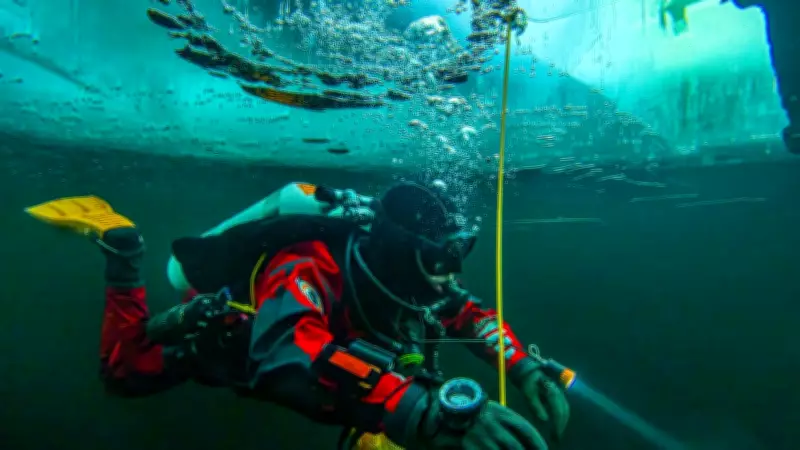
In locations like Kilpisjärvi, Finland, scientists participate in specialized Polar Scientific Diving classes to train for these challenging missions. These dives involve swimming under thick ice sheets, where temperatures are near freezing and visibility can be limited. The goal is to study marine life, water chemistry, and ice dynamics that are otherwise inaccessible from the surface.
These expeditions are not just about adventure; they provide critical insights into how polar regions are responding to climate change. By collecting samples and observing underwater habitats, researchers can track changes in biodiversity, ice melt rates, and ocean currents. This information helps predict future environmental shifts and informs conservation efforts.

The Importance of Polar Research
Polar oceans play a key role in global climate regulation, acting as carbon sinks and influencing weather patterns worldwide. However, they are among the most rapidly changing environments due to rising temperatures. Scientific diving allows for direct observation of these changes, such as alterations in algae blooms or the behavior of marine species under the ice.
Understanding these ecosystems is essential for developing effective policies to protect them, especially as human activities like shipping and resource extraction increase in these regions. The data gathered from these dives contributes to broader scientific studies on ocean health and climate resilience.
Challenges and Innovations
Conducting research under polar ice presents unique challenges, including safety risks from hypothermia and equipment failure in frigid waters. Scientists use advanced diving gear and technology, such as underwater cameras and sensors, to navigate and document their findings. Training programs emphasize rigorous safety protocols to ensure successful missions.
Despite the difficulties, these dives yield invaluable knowledge. For instance, they have revealed previously unknown species and provided evidence of how ice loss affects marine food webs. As climate change accelerates, such research becomes increasingly urgent to safeguard these fragile environments.
In summary, scientific diving under Arctic and Antarctic ice is a vital tool for uncovering the secrets of polar seas. By delving into these icy depths, researchers are not only expanding our understanding of marine science but also helping to address some of the most pressing environmental issues of our time.