Saskatchewan 'More Prepared Than Ever' for 2026 Wildfire Season
The Saskatchewan Public Safety Agency (SPSA) has announced significant enhancements to its wildfire response capabilities ahead of the 2026 season, following the unprecedented destruction caused by fires in 2025. During a pre-season update, Steve Roberts, vice-president of operations, emphasized that the agency is better equipped than ever to handle potential emergencies.
Improved Conditions and Strategic Adjustments
Roberts highlighted that early forecasts show more favorable snowpack levels in northern and central regions compared to last year, which could mitigate fire risks early in the season. However, he cautioned that southern areas continue to face drought conditions, increasing vulnerability. "Up to June, our fire season is primarily based on snowpack, and that's looking more favourable than last year," Roberts explained. "The severity of the 2026 wildfire season will be largely dependent on short-term weather trends."
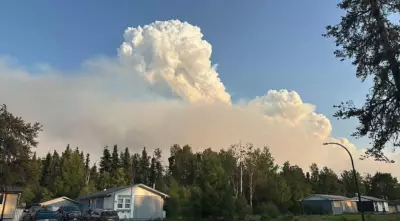
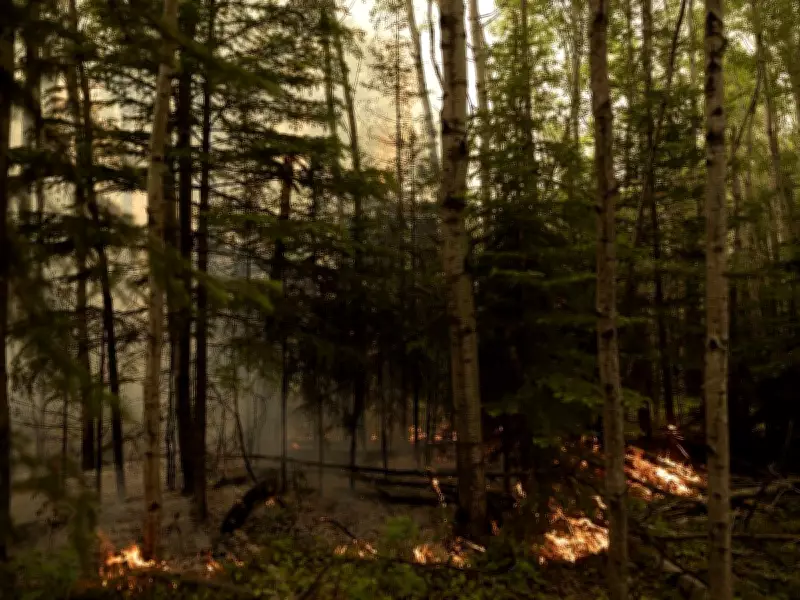
In response to the challenges of 2025, when over 500 fires burned more than 2.8 million hectares and led to 50 community evacuations, the SPSA has implemented several key measures:

- Contracting an additional helicopter to bolster aerial firefighting efforts.
- Hiring seasonal staff a month earlier to ensure rapid deployment.
- Updating evacuation protocols to streamline community safety procedures.
- Formalizing agreements with First Nations and local fire departments to improve coordination.
Financial Investments and Fleet Enhancements
The provincial government has allocated $140 million to the SPSA for the 2026-27 fiscal year, a $21.5 million increase from previous budgets. This funding supports capital investments, including the acquisition of a second Q400 air tanker, scheduled for delivery in August. The SPSA's current fleet comprises:
- One Q400 and three CV-580A air tankers.
- Six CL-215T water scooping aircraft, with two undergoing repairs until midseason.
- Seven bird-dog planes for reconnaissance.
- Eight helicopters for various operational needs.
Minister of Community Safety Michael Weger noted that this budget reflects expectations for an average wildfire season, aiming to prevent the $313.2 million overspend experienced in 2025 due to extensive firefighting costs.
Proactive Community Protection Efforts
Beyond immediate response tools, the SPSA is engaged in proactive measures to safeguard high-risk communities. These include forest thinning, planning fire guards, and performing vegetation maintenance to reduce fuel loads. Roberts stressed that these efforts, combined with improved inter-agency collaboration, position Saskatchewan to manage wildfires more effectively in the coming months.
As the season approaches, the agency remains vigilant, leveraging lessons from past years to enhance preparedness and protect both natural resources and public safety across the province.