Saskatchewan Declares Unprecedented Wildfire Readiness for 2026 Season
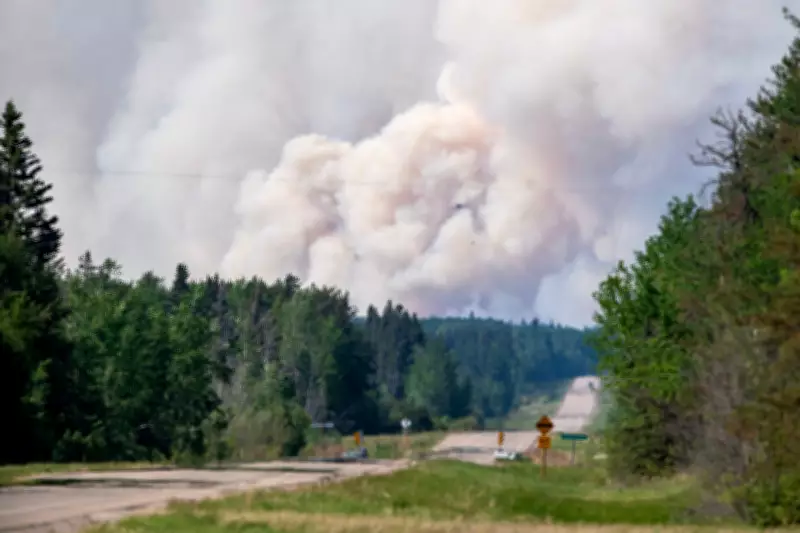
In a bold statement, Saskatchewan authorities have announced that the province is more prepared than ever for the upcoming 2026 wildfire season. This declaration comes after a challenging 2025 fire season, which saw significant blazes, such as those near Smeaton, where helicopters were deployed to drop water on closed highways. The province is leveraging lessons learned from past incidents to bolster its emergency response capabilities.
Enhanced Resources and Strategic Planning
Saskatchewan has implemented a series of measures to improve wildfire management. These include increased funding for firefighting equipment, expanded training programs for personnel, and advanced monitoring technologies. Officials emphasize that these steps are critical in mitigating the risks posed by climate change, which has contributed to more frequent and intense wildfires in recent years.
We have taken proactive steps to ensure our communities are protected, said a provincial spokesperson. Our goal is to minimize damage and ensure public safety through swift and effective action.

Lessons from the 2025 Fire Season
The 2025 wildfire season served as a wake-up call, with incidents like the Smeaton fire highlighting the need for robust preparedness. During that event, Highway 106 was closed as helicopters worked tirelessly to contain the flames. This experience has informed current strategies, focusing on early detection and rapid deployment of resources.
- Investment in aerial firefighting assets, including helicopters and water bombers.
- Collaboration with local and federal agencies to coordinate response efforts.
- Public awareness campaigns to educate residents on fire safety and evacuation procedures.
Future Outlook and Challenges
While Saskatchewan expresses confidence in its readiness, challenges remain. Climate change continues to exacerbate wildfire risks, with drier conditions and higher temperatures predicted. The province is also addressing logistical hurdles, such as ensuring adequate staffing and maintaining equipment in peak condition.
Officials urge residents to stay vigilant and report any signs of fire immediately. Community involvement is key to our success, noted a fire management expert. Together, we can reduce the impact of wildfires and safeguard our environment.
As the 2026 season approaches, Saskatchewan's claims of peak preparedness will be put to the test. The province remains committed to adapting and improving its strategies to protect both urban and rural areas from the devastating effects of wildfires.