Rare Sperm Whale Birth Captured on Video by Canadian Scientists
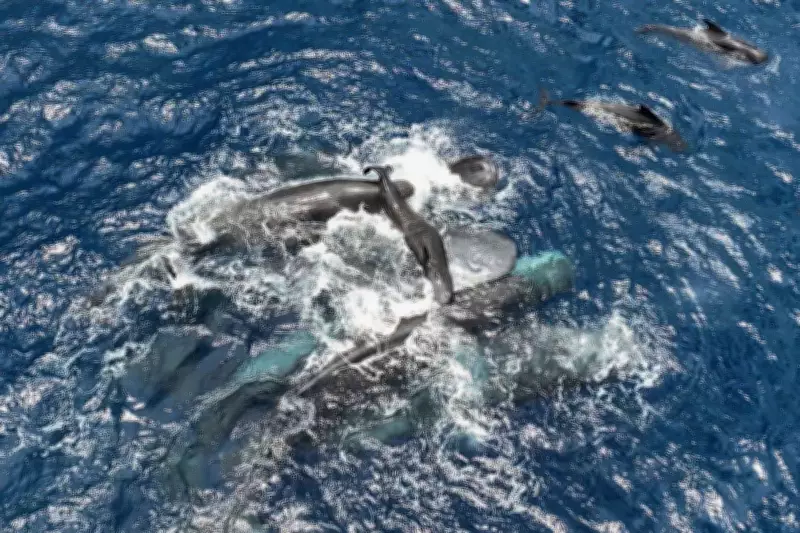
In a groundbreaking marine biology discovery, Canadian scientist Shane Gero and his team have filmed a rare moment: the birth of a sperm whale off the coast of Dominica. The video footage reveals female sperm whales cooperating to protect the newborn calf, shedding light on the social dynamics of these elusive deep-sea creatures.
Unprecedented Observation of Cooperative Behavior
The team documented the birth event, which shows multiple female sperm whales surrounding the mother and calf in a protective formation. This behavior suggests a level of social support and cooperation previously understudied in sperm whales, known for their solitary deep-diving habits. Gero, a leading researcher in cetacean studies, emphasized the significance of this observation for understanding whale social structures.
Key insights from the video include:

- Female sperm whales actively assisting during the birth process.
- Coordinated movements to shield the calf from potential threats.
- Evidence of long-term social bonds among female groups in sperm whale populations.
Implications for Marine Conservation and Research
This discovery has important implications for marine conservation efforts, particularly as sperm whales face threats from climate change, pollution, and human activities. By highlighting their complex social behaviors, the research underscores the need for protective measures to preserve these intelligent mammals and their habitats.
"Capturing this moment on video is a rare opportunity to study sperm whale behavior in detail," said Gero. "It challenges previous assumptions about their solitary nature and opens new avenues for research into their social lives."
The findings contribute to a growing body of knowledge on marine mammal behavior, with potential applications in wildlife management and environmental policy. As scientists continue to explore the oceans, such observations remind us of the mysteries still hidden beneath the waves.