New Measures Target Invasive Species
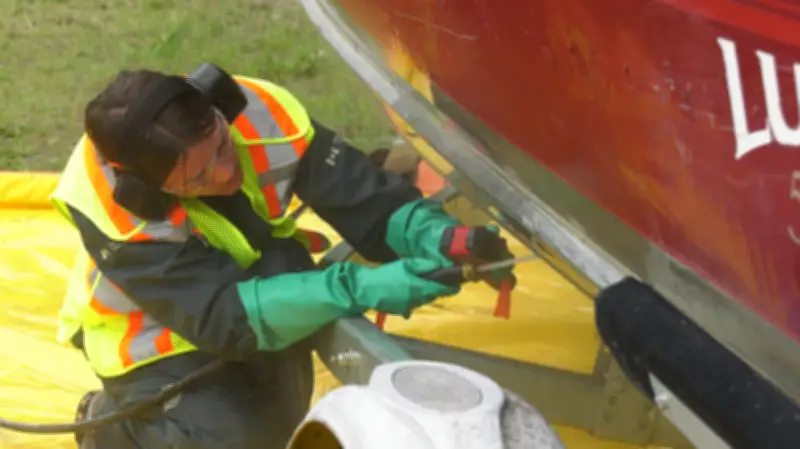
Prince Albert National Park in Saskatchewan has intensified efforts to curb the spread of invasive zebra and quagga mussels by enforcing strict watercraft regulations. The park urges all boaters to clean, drain, and dry their vessels before entering park waters. According to park officials, these mussels can cause severe ecological and economic damage if introduced.
Why These Regulations Matter
Zebra and quagga mussels are notorious for clogging water intake pipes, damaging boat engines, and disrupting native aquatic life. The park's initiative aligns with broader provincial and national strategies to prevent their spread. "Once established, these mussels are nearly impossible to eradicate," said a park spokesperson in a statement. "Prevention is our best defense."
How Boaters Can Comply
Boaters must inspect their watercraft and remove any plants, animals, or mud. They are required to drain all water, including from bilges, live wells, and motors, and to clean with hot water or a pressure washer. The park also mandates a 30-day dry period for boats used in infested waters elsewhere. Failure to comply can result in fines up to $5,000.

Broader Context of Invasive Species Threats
Invasive mussels have already infested many lakes in Manitoba and Ontario, costing millions annually in management. The park's proactive stance aims to preserve its pristine lakes like Waskesiu and Kingsmere. "We want to keep our waters healthy for future generations," added the spokesperson. The regulations are part of a Canada-wide effort involving multiple agencies.