Parks Canada Proposes Controlled Burn in Jasper National Park to Boost Forest Resilience
In a strategic move to bolster forest health and mitigate future wildfire threats, Parks Canada has unveiled a proposal for a prescribed wildfire at Jasper National Park this spring. This initiative, announced on April 4, 2026, aims to replicate natural fire cycles that are essential for maintaining ecological balance in the region.
Enhancing Ecosystem Health Through Managed Burns
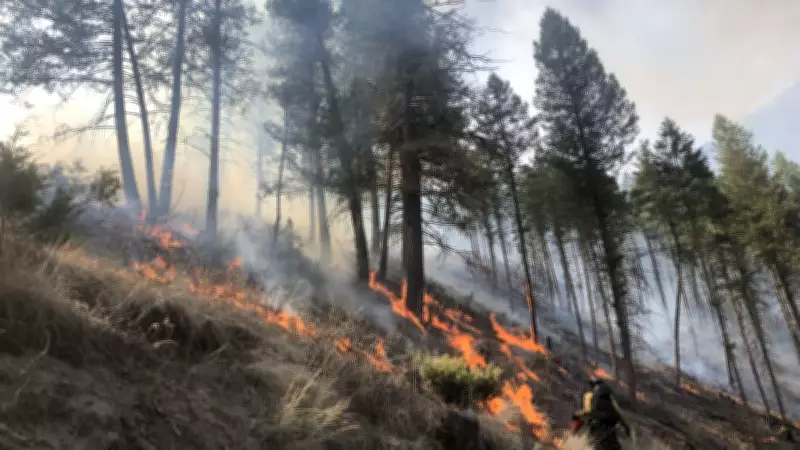
Prescribed wildfires, also known as controlled burns, are carefully planned fires set under specific conditions to achieve ecological objectives. According to Parks Canada, this proposed burn will target areas where fire suppression has led to an accumulation of deadwood and dense undergrowth, which can fuel more intense and destructive wildfires if left unchecked.
The primary goals include:

- Reducing hazardous fuel loads that could escalate into uncontrollable blazes.
- Promoting biodiversity by creating open spaces for new plant growth and wildlife habitat.
- Supporting the regeneration of fire-adapted species like lodgepole pine, which rely on periodic fires to release seeds.
A Proactive Approach to Wildfire Management
This proposal comes amid growing concerns over climate change and its impact on wildfire frequency and intensity across Canada. By implementing prescribed burns, Parks Canada seeks to proactively manage forest ecosystems rather than react to emergencies. The agency emphasizes that such measures are grounded in scientific research and Indigenous knowledge, which have long recognized fire as a vital tool for landscape stewardship.
Key considerations for the burn include:
- Weather conditions must be optimal to ensure the fire remains within designated boundaries.
- Public safety measures will be prioritized, with temporary closures and notifications for nearby communities.
- Monitoring and post-burn assessments will track ecological outcomes and inform future management plans.
Context and Community Engagement
Jasper National Park, located in Alberta, is part of a broader network of protected areas where prescribed fires are increasingly used as a conservation strategy. Parks Canada has conducted similar burns in other national parks, such as Banff and Waterton Lakes, with reported successes in reducing wildfire risks and enhancing habitat diversity.
The agency plans to engage with local stakeholders, including Indigenous groups, residents, and tourism operators, to address any concerns and ensure transparency throughout the process. Public input sessions are expected to be held in the coming weeks to discuss the proposal's details and potential impacts.
This initiative aligns with national efforts to adapt to environmental changes, as seen in other news highlights like climate-related storms in Greece and pollution controls in Canada. By embracing prescribed wildfires, Parks Canada aims to foster resilient landscapes that can better withstand the challenges of a warming planet.