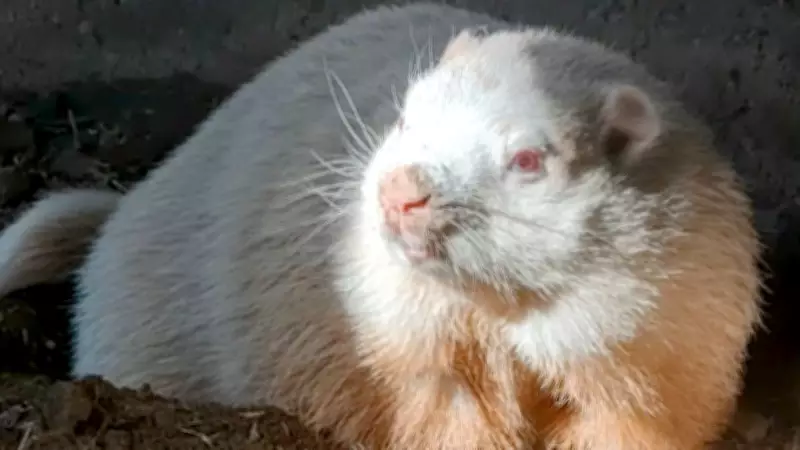
PETA Demands Wiarton End Live Groundhog Predictions, Calling Tradition 'Cruel'
The animal rights organization People for the Ethical Treatment of Animals (PETA) has issued a public call for the town of Wiarton, Ontario, to cease its long-standing practice of using live groundhogs for annual weather predictions. In a strongly worded statement, PETA representatives condemned the tradition as inherently cruel and exploitative, arguing that it subjects wild animals to unnecessary stress and confinement for human amusement.
The Controversial Tradition
For decades, Wiarton has hosted a famous Groundhog Day event where a live groundhog is brought out to predict whether winter will continue or spring will arrive early based on whether the animal sees its shadow. This tradition, similar to others across North America, draws tourists and media attention each February. However, PETA contends that the practice involves capturing and handling wild groundhogs, forcing them into unnatural environments, and subjecting them to loud crowds and bright lights—conditions that can cause significant psychological and physical distress to the animals.
PETA's campaign highlights several specific concerns:

- The stress imposed on groundhogs during capture, transportation, and public display
- The artificial confinement that prevents natural behaviors like hibernation and foraging
- The potential for injury or illness due to improper handling or unsuitable living conditions
- The perpetuation of a message that wild animals are mere props for human entertainment
Growing Opposition to Animal-Based Predictions
This is not the first time animal welfare advocates have criticized weather prediction traditions involving live animals. In recent years, several communities have faced similar calls to transition to alternative methods. Some towns have already adopted symbolic or mechanical groundhogs, while others use human actors in costume to maintain the festive atmosphere without animal involvement. PETA argues that Wiarton should follow this progressive trend, emphasizing that modern technology provides accurate weather forecasts without relying on wildlife.
The organization points to scientific studies showing that groundhogs, like many wild animals, experience elevated stress hormones when removed from their natural habitats and exposed to human activities. This stress can lead to health issues, reduced lifespan, and behavioral changes. PETA's statement also notes that groundhogs are solitary, burrowing creatures who typically avoid human contact, making the tradition particularly disruptive to their well-being.
Community and Economic Considerations
Wiarton's Groundhog Day event is a significant local tradition that boosts tourism and community spirit. The town has historically celebrated its famous groundhog, Wiarton Willie, with parades, festivals, and media coverage that bring economic benefits to the area. PETA acknowledges these cultural and economic factors but urges the community to consider ethical alternatives that preserve the event's charm without animal exploitation.
Suggestions from animal rights advocates include:
- Using a robotic or animatronic groundhog for predictions
- Hosting educational events about groundhog conservation and natural behaviors
- Incorporating virtual reality or digital displays to simulate the tradition
- Focusing on family-friendly activities that do not involve live animals
PETA's campaign has sparked debate among residents and officials in Wiarton, with some defending the tradition as harmless fun and others expressing openness to change. The organization plans to continue its advocacy through public awareness campaigns, petitions, and direct outreach to local government leaders.
As animal welfare concerns gain prominence globally, traditions involving wildlife face increasing scrutiny. PETA's call to Wiarton reflects a broader movement toward more ethical treatment of animals in entertainment and cultural practices, challenging communities to balance heritage with contemporary values of compassion and respect for all living beings.