Peguis First Nation Residents Anxiously Monitor Rising River Levels Amid Flood Threat
Residents of Peguis First Nation, located north of Winnipeg, are on high alert as the risk of flooding escalates with rising river levels. The community, which has faced repeated evacuations in the past, is bracing for potential impacts from the Fisher River, a waterway known for its volatile behavior during spring thaws and heavy rainfall.
Historical Context and Recent Developments
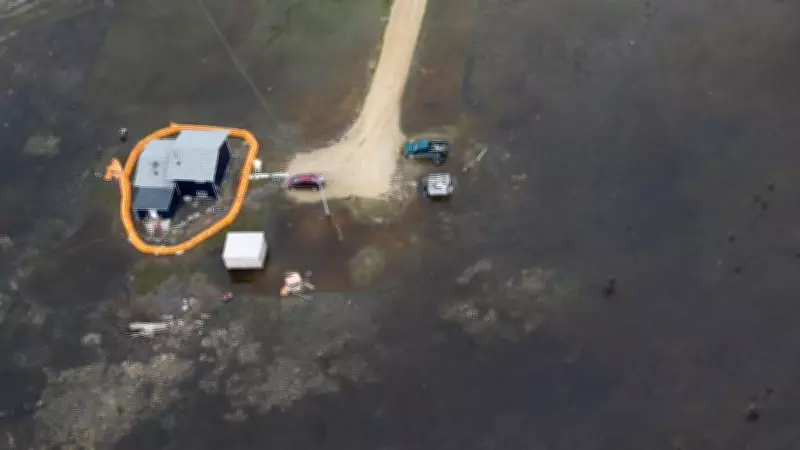
In May 2022, the community was forced to evacuate due to severe flooding from the Fisher River, with homes protected by temporary barriers like Tiger Dams. While river levels dropped significantly later that week, the memory of that event lingers, fueling current concerns. As of April 2026, monitoring reports indicate a steady increase in water levels, prompting local authorities to issue warnings and initiate preparedness measures.
The emotional toll on residents is profound, with many expressing fear and frustration over the recurring nature of these floods. Community leaders emphasize that climate change and inadequate infrastructure exacerbate the situation, leaving Peguis First Nation disproportionately vulnerable compared to nearby urban areas.

Community Response and Preparedness Efforts
In response to the heightened risk, emergency teams have been deployed to assess vulnerable zones and reinforce existing flood defenses. Temporary shelters and evacuation plans are being updated, with a focus on ensuring the safety of elders and children first. Local volunteers are also mobilizing to sandbag critical areas and monitor river gauges around the clock.
Officials from Indigenous Services Canada have been in contact with the community, offering support and resources. However, residents argue that long-term solutions, such as improved drainage systems and permanent barriers, are urgently needed to mitigate future risks.
Broader Implications and Environmental Factors
The flooding threat in Peguis First Nation is part of a larger pattern affecting Indigenous communities across Canada, where climate change intensifies extreme weather events. Experts note that melting snowpacks and unpredictable precipitation contribute to river surges, making traditional forecasting methods less reliable.
- Increased frequency of spring floods due to warmer temperatures
- Insufficient funding for infrastructure upgrades in remote areas
- Health risks from water contamination and displacement
As the situation evolves, residents remain vigilant, hoping for a reprieve but preparing for the worst. The community's resilience is tested once again, highlighting the ongoing challenges faced by First Nations in managing environmental hazards.