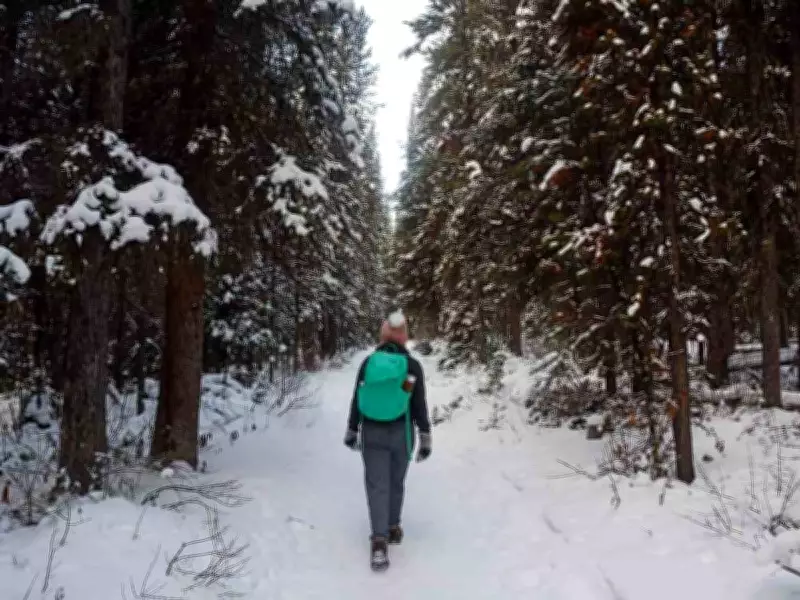
After a series of rescues, Parks Canada is advising hikers to steer clear of some trails in Banff National Park that remain hazardous due to heavy snow and avalanche risk. The federal agency issued a warning on Wednesday, urging caution for early-season hikers who may encounter deep snow and avalanche-prone areas.
Hazards of Spring Hiking
"Following recent rescues involving stranded hikers, Parks Canada would like to remind visitors that spring conditions in the mountain national parks present hazards," the agency said in a press release. Some popular trails remain exposed to significant avalanche hazard and should not be attempted in early spring without proper avalanche training and equipment, they added.
Trails to Avoid
Parks Canada specifically identified several trails that are dangerous this time of year, including the Cory Loop Pass, the ascent of Rundle from Banff, hikes to the Lake Louise-area teahouses (Lake Agnes, Little Beehive, Plain of Six Glaciers), the south lakeshore, and unofficial Sulphur Mountain trails. These routes are typically safe in summer and usually become accessible by mid-June, but this year, one of the largest snowpacks on record at higher elevations is delaying trail readiness.

Safety Recommendations
Hikers should be aware that snow that is firm in the morning can melt and soften in the afternoon, making travel difficult. Parks Canada recommends the use of cleats for traction. In some areas, hikers may sink into deep, unsupportive snow, slowing progress or making safe return impossible. The agency also warns that hiking apps or crowd-sourced information may not be reliable and advises hikers to check official Parks Canada trail condition updates before heading out.
Context and Advice
The warning comes after multiple rescue operations for stranded hikers this spring. Parks Canada emphasizes that early-season hiking requires extra caution, proper equipment, and knowledge of avalanche safety. Hikers are urged to plan accordingly and stay informed about current conditions.