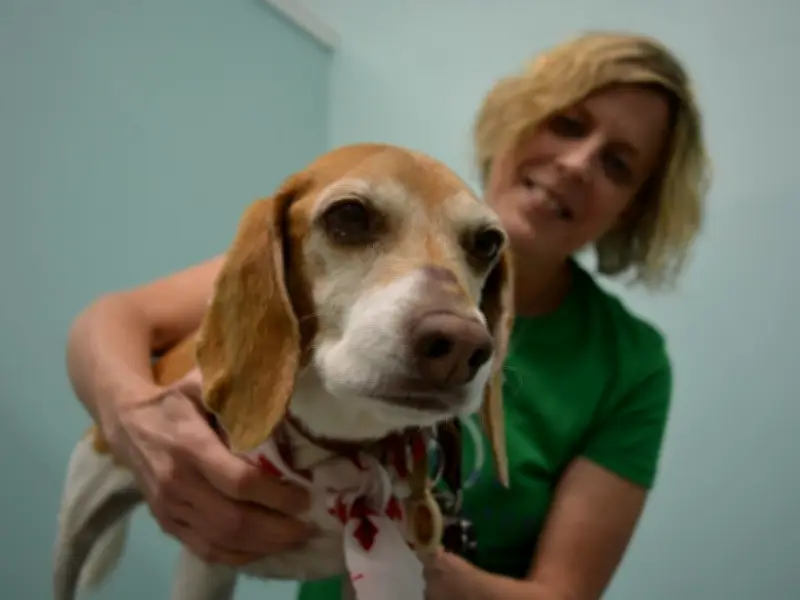
Ontario has passed legislation banning veterinarians from performing unnecessary surgeries on pets, including feline declawing, canine ear cropping, and devocalization. The ban, which comes into effect on January 1, 2027, imposes fines of up to $100,000 for organizations and up to $250,000 for corporations. Windsor animal advocates are applauding the move, which they say levels the playing field for veterinarians who oppose these procedures.
Windsor veterinarian supports the ban
Melanie Coulter, co-founder of the Community Veterinarian Clinic in Windsor, recently received a call from a client asking if the clinic offered declawing services. “I advised that no, we wouldn’t, but also that it was going to be illegal in the province very soon,” Coulter said. She noted that animal welfare advocates have been pushing for this prohibition for years.
“The prohibition is actually really helpful because then it levels the playing field,” Coulter said. “Veterinarians not wanting to do these procedures because of the welfare concerns now know that their clients aren’t just going to go to another clinic and have their procedure performed.”

Health risks of declawing
Feline declawing is a common practice among pet owners concerned about furniture scratching or accidental injuries. However, Coulter explained that declawing is far more invasive than many realize. “People tend to think it’s more of a nail trim or just removing the nails, but you’re actually removing the whole first digit, the whole first bone,” she said. “So it is a very extensive surgery. It can be very painful to recover from.”
According to Coulter, declawed cats often experience litter box aversion and may resort to more aggressive behaviors to compensate for losing a key defense mechanism. She recommends pet owners purchase scratching posts or attend routine nail trims instead of declawing.
Ear cropping and devocalization
While devocalization—a procedure that removes vocal cords to address problematic barking—is rarely performed in the Windsor area, some clinics still offer declawing and ear cropping. Ear cropping is traditionally done for certain breeds, such as Dobermans, for cosmetic reasons. “People get a Doberman, they expect them to have the pointy ears, and so it’s just routine for a lot of breeders or a lot of owners,” Coulter said.
When the clinic posted about the ban on Facebook, many comments argued that ear cropping surgeries were necessary to prevent ear infections. However, Lynnette Bain, executive director of the Windsor/Essex County Humane Society, said these claims have been disputed by the American Veterinary Medical Association. “It’s debunked that there is any medical benefit to the cropping of the ears, it is entirely for cosmetic reasons,” Bain said. “There might be some uproar at this point about maybe changing a tradition, but is tradition a strong enough reason to have these body-modifying surgeries?”
Impact on animal welfare
Bain emphasized that the ban represents a significant step forward for animal welfare in Ontario. By prohibiting these unnecessary procedures, the legislation ensures that pets are no longer subjected to painful surgeries for cosmetic or convenience reasons. The new law is expected to reduce the demand for these procedures and encourage pet owners to seek humane alternatives.