New Polar Bear Arrives at Calgary Zoo from Quebec, Enhancing Conservation Efforts
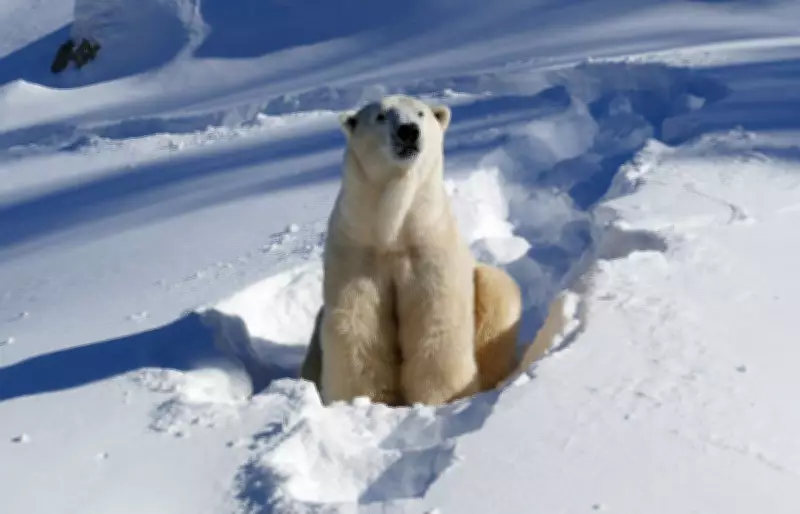
The Wilder Institute/Calgary Zoo has welcomed a new resident to its Arctic conservation program: a 20-year-old male polar bear named Yelle. The bear arrived on Tuesday from Quebec's Zoo Sauvage de Saint-Félicien, as part of a strategic transfer aimed at supporting species preservation and public education initiatives.
Details of the Transfer and Yelle's Background
Yelle, whose age places him in the prime of adulthood for polar bears, was transported from Saint-Félicien, Quebec, to Calgary in a carefully coordinated operation. The move underscores the collaborative efforts between Canadian zoological institutions to manage polar bear populations under human care, which play a crucial role in conservation research and raising awareness about the species' plight in the wild.
This transfer is not merely a relocation but a vital component of broader conservation strategies. Polar bears, listed as vulnerable due to climate change and habitat loss in the Arctic, benefit from such managed care programs that facilitate breeding, health monitoring, and genetic diversity studies.

Role of the Wilder Institute/Calgary Zoo in Arctic Conservation
The Wilder Institute/Calgary Zoo has long been at the forefront of wildlife conservation, with a dedicated focus on Arctic species. By integrating Yelle into their existing polar bear habitat, the zoo aims to enhance visitor engagement and educational outreach. This addition allows the zoo to showcase the behaviors and adaptations of polar bears, fostering a deeper public understanding of the environmental challenges they face.
Zoo officials emphasize that Yelle's arrival will contribute to ongoing research on polar bear health and behavior, which can inform wild conservation efforts. The zoo's facilities are designed to mimic natural Arctic environments, providing Yelle with a habitat that supports his physical and psychological well-being.
Implications for Conservation and Public Awareness
The introduction of Yelle to the Calgary Zoo highlights several key aspects of modern zoological practices:
- Collaborative Conservation: Partnerships between zoos across Canada enable the sharing of resources and expertise, optimizing care for endangered species like polar bears.
- Educational Impact: Live animal exhibits serve as powerful tools for educating the public about climate change and biodiversity loss, inspiring conservation action.
- Research Opportunities: Managed populations provide unique opportunities for scientific studies that are difficult to conduct in the wild, such as detailed health assessments and behavioral observations.
As polar bears continue to face threats from melting sea ice and human activities, initiatives like this transfer underscore the importance of zoos in global conservation networks. The Wilder Institute/Calgary Zoo plans to monitor Yelle closely during his acclimation period, ensuring he thrives in his new home while contributing to the zoo's mission of wildlife preservation.