New Brunswick Sets March 15 Deadline for Ice-Fishing Shelter Removal
The provincial government of New Brunswick has officially announced that all ice-fishing shelters must be removed from frozen lakes and rivers by March 15. This annual regulation is designed to enhance public safety and protect the environment as warmer spring temperatures begin to thaw the ice.
Ensuring Safety and Environmental Stewardship
As the winter season draws to a close, the structural integrity of ice surfaces becomes increasingly unpredictable. The mandated removal of shelters helps prevent accidents and injuries that could occur if these structures were to collapse or become stranded on deteriorating ice. Additionally, timely removal minimizes the risk of shelters sinking into waterways, which could lead to pollution and harm aquatic ecosystems.
Ice fishing is a cherished tradition in New Brunswick, attracting thousands of enthusiasts each year. However, the province emphasizes that compliance with this deadline is crucial for maintaining the sustainability of this popular activity. Officials have noted that shelters left past March 15 may be subject to fines or removal by authorities, underscoring the importance of adhering to the regulation.

Historical Context and Public Response
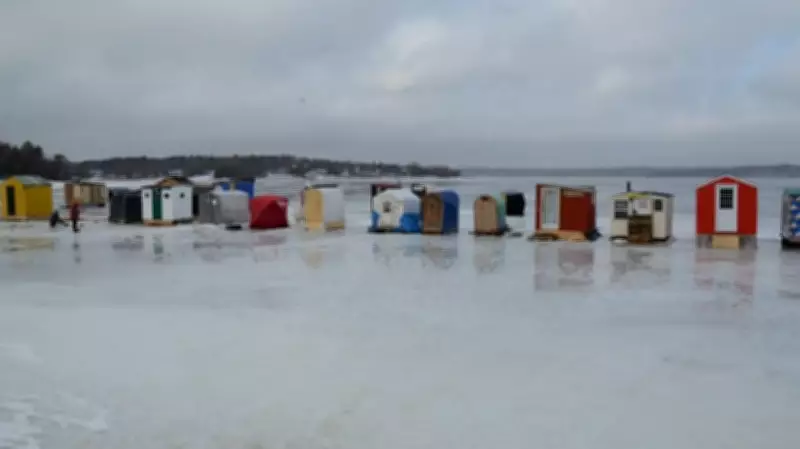
This rule is not new; it has been enforced in previous years to align with seasonal changes. In 2024, for example, ice-fishing shelters were prominently featured across New Brunswick's frozen landscapes, highlighting the activity's cultural significance. The government often shares reminders and updates through official channels, such as social media, to ensure anglers are well-informed.
Public reaction has generally been supportive, with many ice fishers acknowledging the necessity of the deadline for safety reasons. Local communities and fishing groups typically organize efforts to assist with timely removals, fostering a sense of collective responsibility. The province also encourages anglers to report any abandoned shelters they encounter, promoting community involvement in enforcement.
Broader Implications for Outdoor Recreation
The March 15 deadline is part of a broader framework of environmental regulations in New Brunswick aimed at balancing recreational use with conservation. As climate change affects weather patterns, including ice stability, such policies may become even more critical in the future. Experts suggest that monitoring and adapting these regulations will be essential to address evolving environmental conditions.
For now, ice-fishing enthusiasts are urged to plan ahead and remove their shelters by the specified date. By doing so, they contribute to the preservation of New Brunswick's natural resources and ensure that this winter pastime can be enjoyed safely for years to come.