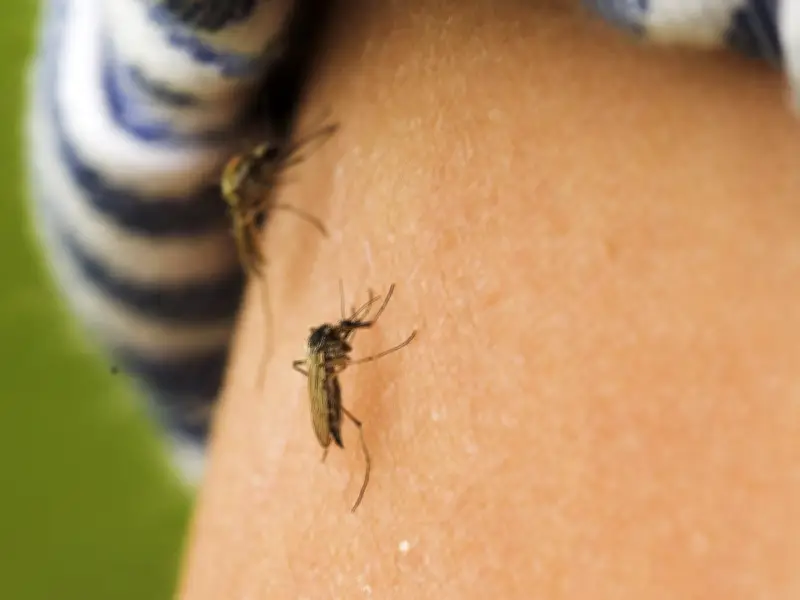
After several years of drought, climate change has brought a weather boomerang to Edmonton, with record-setting rainfall making June 2026 the city’s wettest on record. The deluge has left standing water across the region, creating ideal breeding conditions for mosquitoes.
Mosquitoes return with a vengeance
Edmontonians have been largely spared from these pests in recent years, but this summer they are back in force. The change is linked to the city’s decision in 2022 to eliminate its aerial mosquito spraying program, which used the larvicide Bti applied by helicopter over outlying wet areas.
In addition to ending aerial sprays, Edmonton also phased out the use of chlorpyrifos, a pesticide that had been in use until 2019. Chlorpyrifos has been linked to respiratory problems and disruptions to cognitive development in children. Edmonton was the last municipality in North America to use it.

Funding reallocated to ground treatment
Two-thirds of the funds previously used for aerial spraying have been re-allocated to ground treatment, while the remainder supports mosquito predators. The city continues to monitor the areas it used to spray from helicopters. Mosquitoes can travel up to five kilometres if desperate, but most find a host within the area where they hatch.
Mayor Andrew Knack explained that a significant portion of the area being sprayed for $507,000 per year was outside city limits. Other municipalities in the region were not willing to share the cost. A coordinated regional spraying program existed until 1993, when then-premier Ralph Klein cut funding, leaving Edmonton ratepayers to foot the bill ever since.
“We would use taxpayer dollars to spray for mosquitoes outside our city limits,” Knack said. “I was on the council that said we should stop doing that. I had a real tough time justifying why I’m using City of Edmonton taxpayer dollars to provide a service outside our city limits. Other municipalities can also spray for mosquitoes in their spaces.”
Environmental concerns also a factor
Concerns about harming beneficial insects like dragonflies, which also use standing water for their larvae, influenced the decision to end aerial spraying. The city now focuses on ground-based treatments and promoting natural predators.
Risks of mosquito bites
West Nile virus has been detected in Alberta. People over 50 face the highest risk of complications, though 80 per cent of infected individuals do not develop symptoms.
What residents can do
Carrying a portable fan can help prevent bites, as mosquitoes cannot land in strong wind. Clearing eavestroughs and removing standing water from containers around properties can reduce breeding sites. However, officials note that standing water is widespread, making bites unavoidable.
Winter will return soon enough, providing natural relief from the mosquito menace.