Moose Conservation Group Challenges Nova Scotia's Wind Energy Expansion
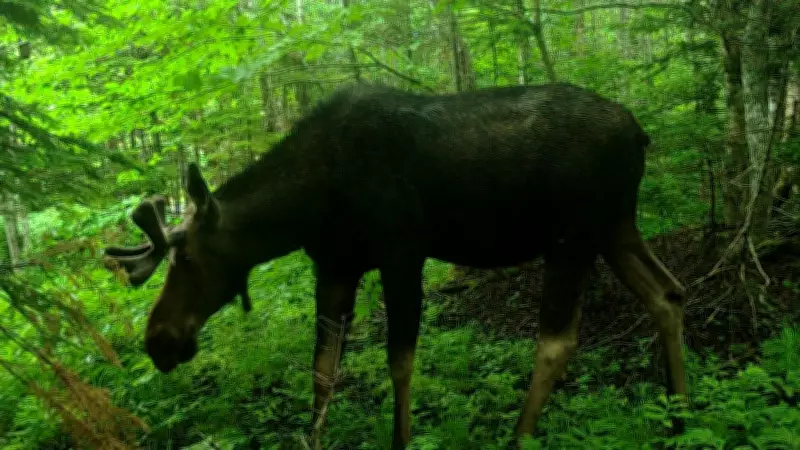
The Moose Conservation Association in Nova Scotia is actively resisting the provincial government's ambitious green energy strategy, which includes the installation of numerous wind turbines across the region. This opposition highlights a growing conflict between environmental conservation efforts and renewable energy development.
Conservation Concerns Over Habitat Disruption
According to the association, the proposed wind turbines pose a significant threat to moose populations and their natural habitats. The group argues that the construction and operation of these turbines could lead to habitat fragmentation, increased noise pollution, and potential collisions, all of which may adversely affect the moose's breeding and foraging patterns.
Paul Hollingsworth reports that the association is mobilizing resources to block the province's plans, emphasizing the need for a balanced approach that considers both climate goals and wildlife preservation. "We support green energy, but not at the expense of our native species," a spokesperson stated.

Provincial Green Energy Plan Under Scrutiny
Nova Scotia's green energy plan aims to reduce carbon emissions and transition to sustainable power sources, with wind energy being a key component. However, the Moose Conservation Association's pushback underscores the complexities involved in implementing such large-scale projects.
- The plan includes multiple wind farm installations in rural areas.
- Conservationists fear irreversible damage to ecosystems.
- Discussions are ongoing between government officials and environmental groups.
This situation mirrors broader debates across Canada, where renewable energy initiatives often intersect with conservation priorities. The association's efforts may influence future policy decisions, prompting a reevaluation of site selections and environmental impact assessments.
Looking Ahead: Balancing Progress and Preservation
As Nova Scotia moves forward with its green energy agenda, the outcome of this dispute could set a precedent for similar projects nationwide. Stakeholders are calling for transparent dialogue and collaborative solutions to ensure that renewable energy development does not come at the cost of biodiversity.
The Moose Conservation Association remains steadfast in its mission, advocating for alternative energy solutions that minimize ecological disruption. This case serves as a reminder of the delicate balance required in pursuing environmental sustainability.