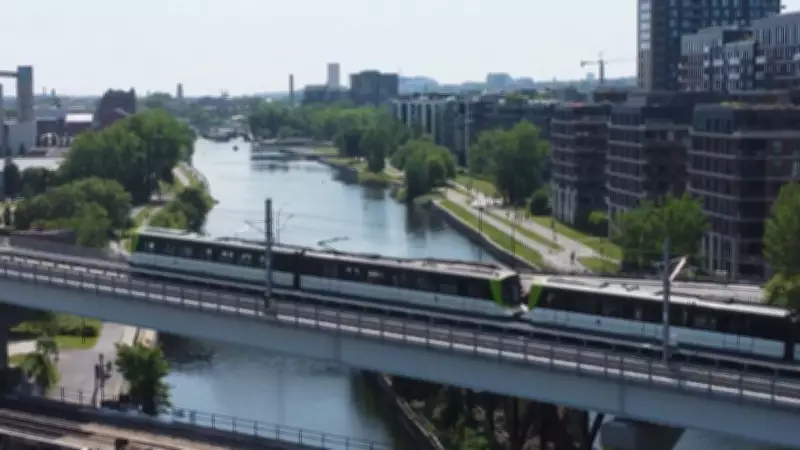
Montreal's light rail transit system, the REM (Reseau express metropolitain), has unveiled an ambitious plan to get all residents and visitors aboard its newest transit line. The plan, announced on May 14, 2026, aims to significantly increase ridership through a series of strategic initiatives.
Key Components of the Ridership Plan
The REM's strategy focuses on expanding connectivity, improving service frequency, and enhancing the overall user experience. Key elements include:
- New feeder bus routes to connect underserved neighborhoods to REM stations.
- Increased train frequency during peak hours to reduce wait times.
- Discounted fare packages for frequent riders and low-income commuters.
- Integration with existing metro and bus networks for seamless transfers.
Community Engagement and Feedback
Officials have emphasized the importance of community input in shaping the final plan. Public consultations will be held throughout the summer to gather feedback from residents and businesses. The REM team is also launching a mobile app to provide real-time updates and trip planning tools.

"We want to make the REM the backbone of Montreal's public transit system," said a spokesperson for the REM. "This plan is designed to make it easier and more affordable for everyone to choose public transit."
Environmental and Economic Benefits
The expansion of REM ridership is expected to reduce traffic congestion and lower greenhouse gas emissions. The project is also projected to create thousands of jobs in construction, operations, and maintenance. Local businesses near REM stations are likely to see increased foot traffic, boosting the local economy.
"The REM is not just a transit project; it's a catalyst for sustainable urban development," added the spokesperson.
Construction on the new connections is set to begin in early 2027, with full implementation expected by 2029. The REM currently serves over 200,000 riders daily, and the new plan aims to double that number within five years.