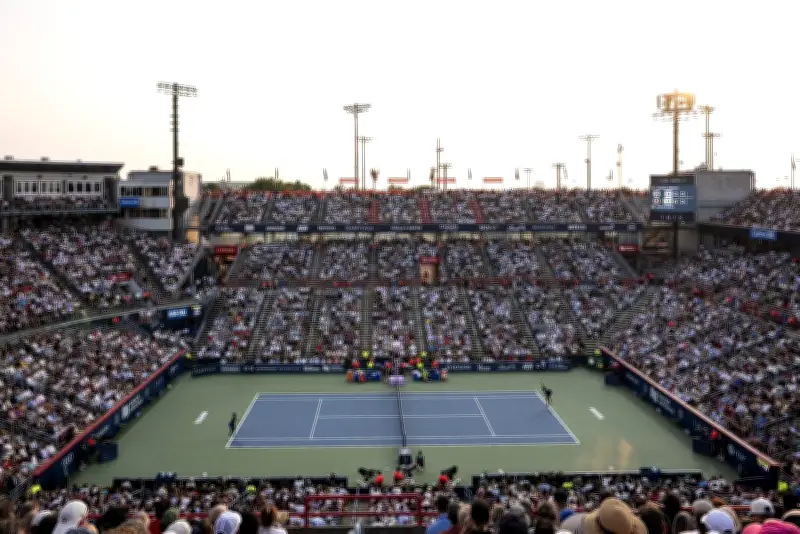
A Montreal community group is raising alarms over the potential loss of green space at Jarry Park as Tennis Canada moves forward with plans to build a new stadium at the site. The proposed development, intended to host the National Bank Open, has sparked concerns among residents and environmental advocates who fear the park's natural character will be compromised.
Community Opposition Grows
The group, known as Les Amis du Parc Jarry, argues that the new stadium would eliminate a significant portion of the park's green area, which is used for recreation and community events. According to the group's spokesperson, the project threatens to turn a beloved public space into a commercial venue. They have launched a petition calling on city officials to reject the proposal and preserve the park's current footprint.
Tennis Canada, however, maintains that the new stadium is necessary to keep the National Bank Open competitive with other international tournaments. The organization has stated that the current facilities are outdated and insufficient to meet the demands of players and spectators. The proposed stadium would include a retractable roof and increased seating capacity, potentially drawing larger crowds and boosting Montreal's profile as a sports destination.

Environmental Impact Assessment
The City of Montreal has commissioned an environmental impact assessment to evaluate the potential effects of the construction on local ecosystems, including the park's mature trees and wildlife. Preliminary reports indicate that at least 50 trees would need to be removed to make way for the stadium, though Tennis Canada has pledged to plant new trees elsewhere in the city as compensation.
Residents have also raised concerns about increased traffic, noise, and light pollution during events. The park is currently a haven for joggers, dog walkers, and families, and many fear that the stadium's presence would deter casual use. One local resident stated, "This park is our backyard. We don't want it turned into a concrete jungle."
Political Reactions
Montreal Mayor Valérie Plante has expressed cautious support for the project, noting that it could bring economic benefits to the city. However, she has emphasized that any development must respect the park's heritage and include substantial community consultation. Opposition councillors have called for a public referendum on the issue, arguing that the decision should not be made behind closed doors.
Tennis Canada has offered to fund improvements to other parts of Jarry Park, including new playgrounds and walking paths, as a gesture of goodwill. But critics remain skeptical, pointing out that similar promises in other cities have often fallen short. The debate is expected to intensify in the coming weeks as the city prepares to release its full environmental report.
Broader Implications for Urban Green Spaces
The controversy in Montreal reflects a broader tension between urban development and the preservation of green spaces. Across Canada, cities are grappling with how to balance the need for sports and entertainment infrastructure with the environmental and social benefits of parks. In Toronto, a similar dispute over the expansion of BMO Field in Exhibition Place led to years of legal battles.
Experts argue that green spaces are critical for mental health, air quality, and biodiversity, especially in dense urban areas. A study by the University of British Columbia found that access to parks can reduce stress and improve overall well-being. As Montrealers weigh the benefits of a new tennis stadium, they must also consider the intangible value of the green space they might lose.