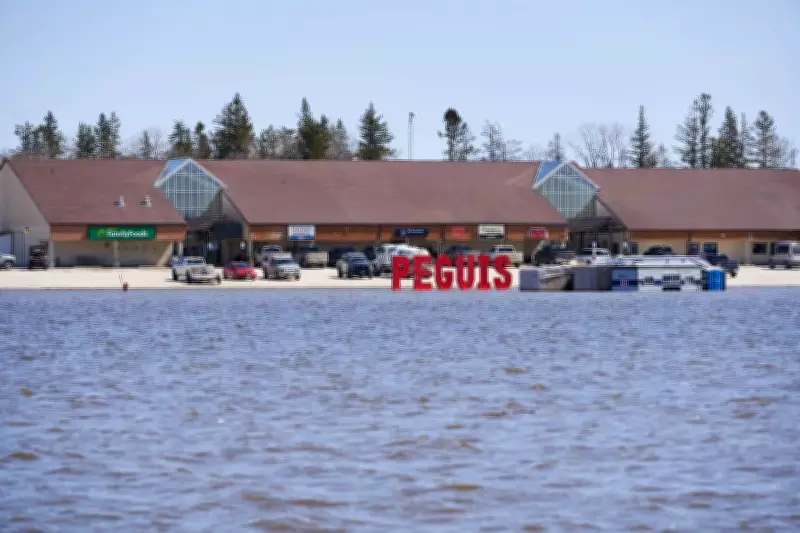
In a critical development, a Manitoba First Nation and the provincial premier have jointly called for military assistance as severe flooding poses an imminent threat to a community in the Interlake region. This urgent appeal follows Manitoba's updated flood outlook, which indicates a heightened risk for the area, raising alarms about potential devastation.
Escalating Flood Risk Prompts Urgent Action
The updated flood outlook from Manitoba authorities has revealed a significant increase in risk for the Interlake region, a vast area known for its lakes and waterways. This assessment has triggered immediate concerns for community safety, infrastructure, and livelihoods. The First Nation involved, whose name has not been disclosed in initial reports, is particularly vulnerable due to its geographical location and limited resources to combat such natural disasters.
Call for Military Support
The premier of Manitoba, in collaboration with First Nation leaders, has formally requested military aid to bolster flood response efforts. This request underscores the severity of the situation, as provincial and local resources may be insufficient to handle the anticipated scale of flooding. Military personnel could provide essential support in areas such as evacuation logistics, sandbagging operations, and emergency supply distribution.

Historical context adds weight to this call, as Manitoba has faced devastating floods in the past, including the notable 1997 Red River Flood and the 2011 Assiniboine River flood. These events have demonstrated the necessity of coordinated, large-scale responses to mitigate damage and protect residents.
Community Impact and Preparedness
Flooding in the Interlake region threatens not only homes and properties but also critical infrastructure like roads, bridges, and utilities. For the First Nation community, this could mean displacement, loss of cultural sites, and disruptions to essential services. Local authorities are already mobilizing volunteers and resources, but the potential for rapid escalation necessitates external assistance.
Environmental factors contributing to the increased risk include above-average snowpack melt, recent rainfall patterns, and soil saturation levels. Climate change is also a consideration, with studies suggesting more frequent and intense weather events in the region.
Broader Implications and Response
This situation highlights ongoing challenges in disaster management for remote and Indigenous communities in Canada. It raises questions about resource allocation, emergency preparedness, and the role of federal support in provincial crises. The call for military aid reflects a proactive approach to prevent a humanitarian crisis, rather than reacting after damage occurs.
As of now, no official timeline has been provided for the military's potential deployment, but discussions are underway between provincial and federal officials. The community remains on high alert, with residents advised to prepare emergency kits and follow updates from local authorities.
In summary, the joint appeal from Manitoba's premier and a First Nation for military aid underscores the gravity of the flooding threat in the Interlake region. With updated forecasts pointing to increased risk, swift action is deemed essential to safeguard lives and property, emphasizing the need for collaborative disaster response in the face of natural hazards.