Manitoba on High Alert as Wildfire Season Approaches
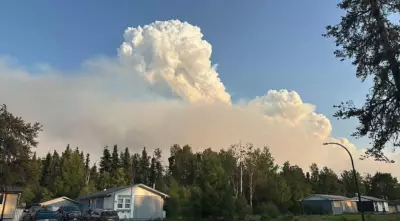
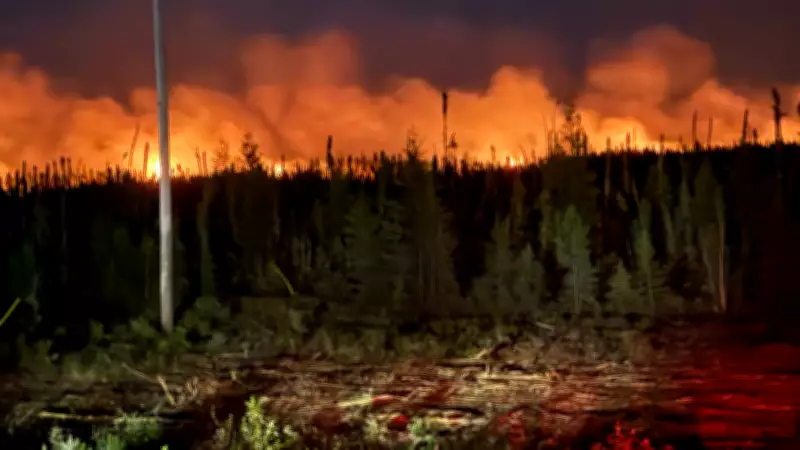
Communities across Manitoba are taking proactive measures to brace for what experts warn could be another severe wildfire season. With memories of last summer's destructive blazes still fresh, including a significant fire near Pimicikamak Cree Nation, residents and authorities are emphasizing preparedness in the face of escalating climate-related threats.
Rising Risks and Regional Readiness
The increasing frequency and intensity of wildfires in Manitoba are largely attributed to prolonged dry spells and warmer temperatures, trends exacerbated by global climate change. Provincial officials have noted that current environmental indicators, such as low snowpack and early spring thaws, suggest conditions are ripe for an active fire period. This has prompted emergency services to ramp up training, resource allocation, and public awareness campaigns well ahead of the traditional peak season.
Local communities, particularly in northern and rural areas, are implementing enhanced safety protocols. These include clearing defensible spaces around properties, updating evacuation plans, and conducting drills to ensure swift responses if fires ignite. Indigenous communities, who are often on the front lines of wildfire impacts, are collaborating with provincial agencies to integrate traditional knowledge with modern firefighting techniques, aiming to protect both people and ecosystems.

Broader Environmental and Health Implications
Beyond the immediate danger of flames, severe wildfires pose significant health risks due to poor air quality from smoke, which can exacerbate respiratory issues and affect vulnerable populations. Environment Canada has issued warnings about heavy rainfall in other regions, highlighting the volatile weather patterns that complicate wildfire management. Experts stress that these events are not isolated but part of a broader pattern of environmental instability affecting Canada.
The economic toll is also a concern, with wildfires disrupting industries like agriculture and forestry, damaging infrastructure, and straining public resources. In response, Manitoba is investing in advanced monitoring technologies, such as satellite imagery and drone surveillance, to detect fires early and coordinate containment efforts more effectively.
Looking Ahead: Adaptation and Resilience
As climate projections indicate that severe wildfire seasons may become more common, Manitobans are focusing on long-term adaptation strategies. This includes promoting sustainable land management practices, restoring fire-adapted ecosystems, and advocating for stronger environmental policies to mitigate climate change. Public education initiatives are encouraging individuals to stay informed through official channels and report any signs of fire promptly.
While the uncertainty of the upcoming season looms, the collective effort to prepare reflects a growing recognition of the need for resilience in an era of environmental change. By thinking ahead, Manitoba aims to safeguard its communities and natural landscapes from the escalating threat of wildfires.