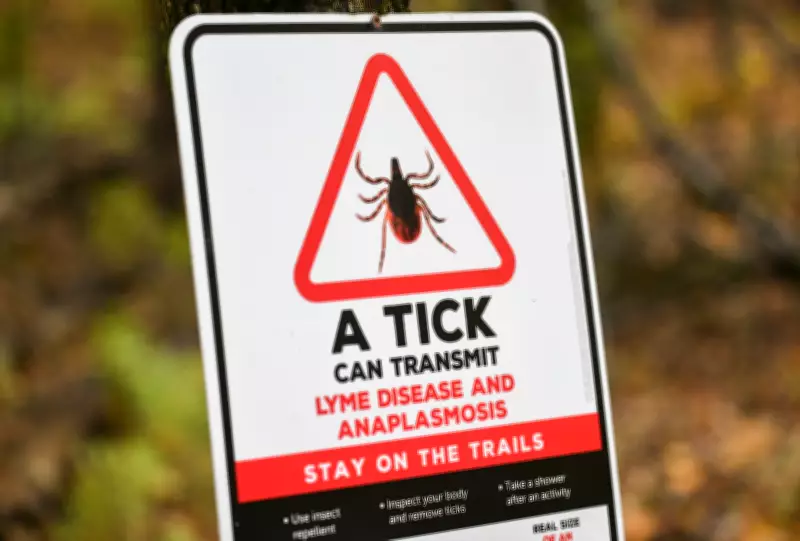
The Simcoe Muskoka District Health Unit is alerting residents that the risk of tick-borne diseases is evolving, and current surveillance methods may no longer provide a complete picture. Officials emphasize that people should not rely solely on past data but take proactive measures to protect themselves.
Changing Tick Landscape
According to the health unit, the geographic range of ticks is expanding due to climate change and other factors. Species like the black-legged tick, which can carry Lyme disease, are being found in areas previously considered low-risk. This shift means that even regions without a history of tick activity may now pose a threat.
What Residents Should Do
The health unit recommends several precautions: avoid tall grass and brush, use insect repellent containing DEET or icaridin, wear long sleeves and pants when outdoors, and perform thorough tick checks after spending time in nature. Prompt removal of ticks can reduce the risk of infection.

Health officials also stress the importance of monitoring for symptoms of Lyme disease, such as fever, headache, fatigue, and a characteristic bull's-eye rash. Early diagnosis and treatment are crucial to prevent complications.
Public Awareness Campaign
In response to the changing risks, the health unit is launching an awareness campaign to educate the public. This includes updated signage on trails, information sessions, and collaboration with local municipalities to manage tick habitats.
For more information, residents can visit the health unit's website or contact their local public health office.