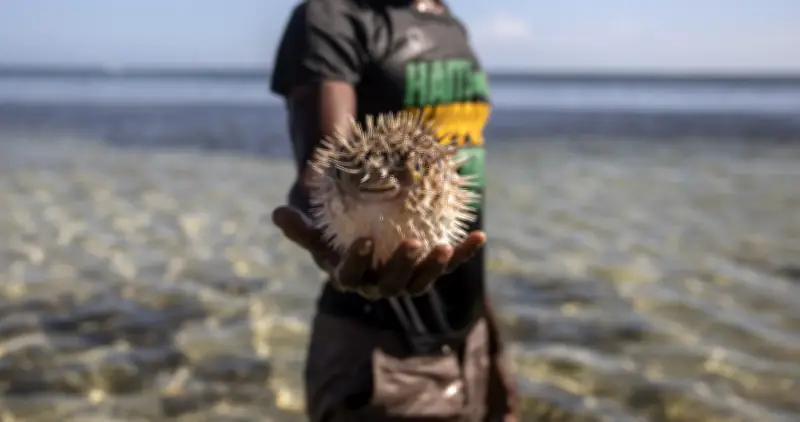
Greek fishermen are facing an escalating battle against an invasive pufferfish species that is damaging their nets, depleting fish stocks, and threatening the delicate balance of the Mediterranean ecosystem. The Lagocephalus sceleratus, commonly known as the silver-cheeked toadfish, has proliferated in Greek waters in recent years, causing significant economic and ecological damage.
Impact on Fishing Industry
Fishermen report that the pufferfish, which are toxic to humans, tear through their nets and consume large quantities of smaller fish, reducing catches of commercially valuable species such as sardines and anchovies. Many have been forced to abandon traditional fishing grounds or invest in stronger, more expensive nets to withstand the onslaught.
"We cannot keep up with them," said Dimitris Papadopoulos, a fisherman from the island of Crete. "Every day we pull up nets full of pufferfish instead of the fish we need to sell. It is destroying our livelihoods."

Ecological Concerns
The pufferfish, which likely entered the Mediterranean through the Suez Canal, have few natural predators in the region. Their voracious appetite and rapid reproduction rate allow them to outcompete native species for food and habitat, disrupting the food chain. Marine biologists warn that if left unchecked, the invasion could lead to a collapse of local fisheries and long-term damage to biodiversity.
Government and Scientific Response
Greek authorities have launched several initiatives to combat the invasion, including encouraging fishermen to catch and report pufferfish sightings, and funding research into potential uses for the fish, such as fertilizer or biogas. However, these efforts have been hampered by the fish's toxicity and the lack of a viable market for its meat.
"We are exploring every possible avenue, from processing the fish into non-food products to introducing natural predators," said Dr. Maria Kostopoulou, a marine biologist at the Hellenic Centre for Marine Research. "But the scale of the problem is enormous, and we need international cooperation to address it effectively."
Broader Mediterranean Context
The pufferfish invasion is part of a larger trend of species migration into the Mediterranean due to warming waters and the expansion of the Suez Canal. Similar invasions have been reported in Turkey, Cyprus, and Israel, raising concerns about the long-term health of the sea. Scientists emphasize the need for regional coordination to monitor and manage these biological intruders.
As Greek fishermen continue to struggle, they hope that increased awareness and action will help preserve their traditions and the marine environment for future generations.