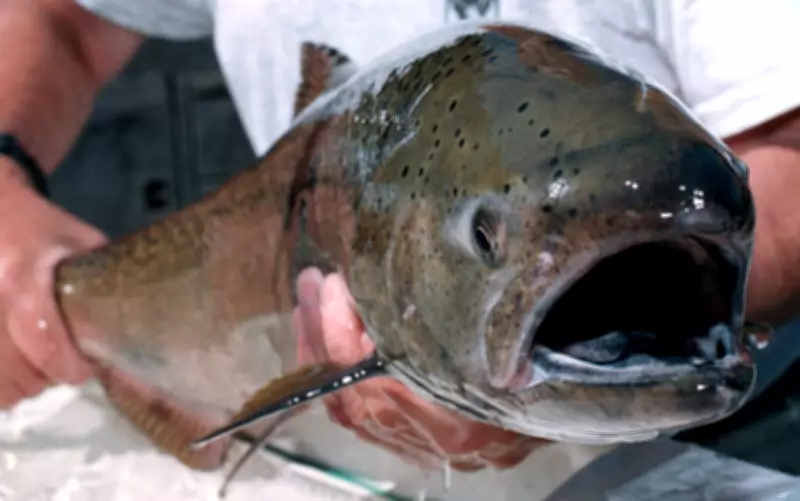
Fisheries and Oceans Canada has announced a significant expansion of its mass marking program for hatchery chinook salmon in southern British Columbia. This initiative aims to clearly distinguish hatchery-raised fish from their wild counterparts, supporting enhanced conservation and management strategies for salmon populations in the region.
Enhancing Conservation Through Marking
The expanded program involves the systematic marking of chinook salmon produced in hatcheries, such as those from facilities like the Clearwater Fish Hatchery. By implementing these markings, authorities can more accurately track and monitor salmon, ensuring that wild stocks are protected while allowing for sustainable fishing practices. This move is part of broader efforts to address declining salmon numbers and promote biodiversity in British Columbia's aquatic ecosystems.
Key Benefits of the Program
Improved Data Collection: Marking hatchery chinook provides valuable data on migration patterns, survival rates, and population dynamics. This information is crucial for scientists and policymakers to make informed decisions about fishery regulations and habitat restoration projects.

Support for Wild Salmon: By distinguishing hatchery fish, the program helps reduce competition and genetic mixing with wild salmon, which is essential for maintaining the health and resilience of native populations. This distinction also aids in enforcing catch limits and protecting endangered species.
Implementation and Future Steps
The expansion will involve increased collaboration with local hatcheries, indigenous communities, and environmental groups. Fisheries and Oceans Canada plans to use advanced tagging technologies and public awareness campaigns to ensure the program's success. Future phases may include extending the marking to other salmon species and regions, depending on the outcomes of this initial expansion in southern British Columbia.
This initiative reflects a proactive approach to fisheries management, balancing economic interests with ecological sustainability. As climate change and human activities continue to impact salmon habitats, such programs are vital for the long-term preservation of these iconic species.