Vancouver Island First Nations Secure Control of Three Clayoquot Sound Forestry Areas
In a landmark development for Indigenous land rights and environmental stewardship, Vancouver Island First Nations have officially gained control over three forestry areas within the ecologically significant Clayoquot Sound region. This transfer of authority represents a pivotal moment in the ongoing reconciliation process and the management of natural resources in British Columbia.
Historic Transfer of Forestry Management
The newly acquired forestry areas are located within the traditional territories of the First Nations, encompassing vital watersheds and old-growth forests. This control allows the communities to implement sustainable forestry practices that align with their cultural values and long-term conservation goals. For decades, Clayoquot Sound has been a focal point for environmental activism and Indigenous rights, making this achievement particularly symbolic.
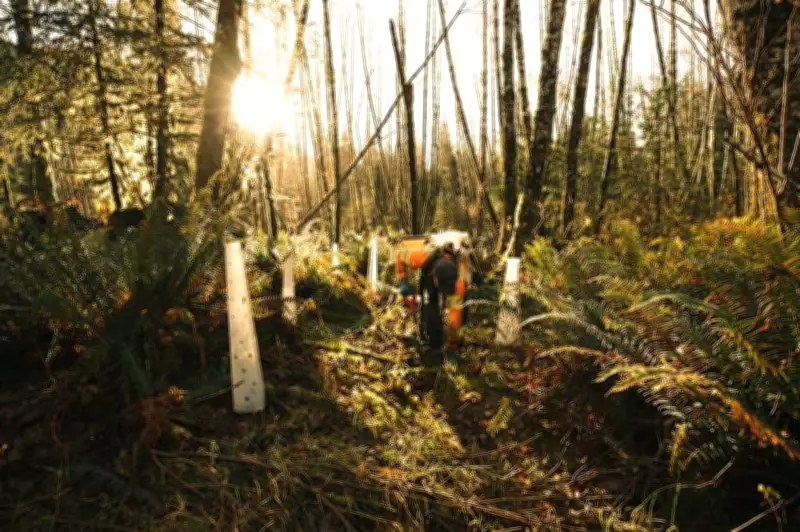
The handover includes areas such as the hiłsyaqƛis (Tranquil Creek) watershed, where restoration efforts, like those led by the Redd Fish Restoration crew, have been actively planting trees to rehabilitate the landscape. These initiatives highlight the commitment to balancing ecological health with economic opportunities.

Implications for Conservation and Community
By taking charge of these forestry areas, the First Nations can now prioritize biodiversity protection, reduce deforestation risks, and foster community-led economic development. This move is expected to enhance local employment through sustainable logging and tourism, while preserving the region's rich cultural heritage.
Experts note that this control could serve as a model for other Indigenous communities across Canada, demonstrating how collaborative governance can address both environmental and social challenges. The decision underscores a shift towards recognizing Indigenous knowledge in land management, which is crucial for combating climate change and promoting resilience.
Broader Context and Future Outlook
This development occurs amid growing global emphasis on Indigenous-led conservation and Canada's efforts to advance reconciliation. It aligns with broader trends in British Columbia, where similar agreements have been forged to support First Nations' sovereignty over their territories.
Looking ahead, the First Nations plan to integrate traditional practices with modern forestry techniques, ensuring that the Clayoquot Sound remains a beacon of sustainable management. Community leaders express optimism that this control will empower future generations to steward the land responsibly, fostering a harmonious relationship between people and nature.