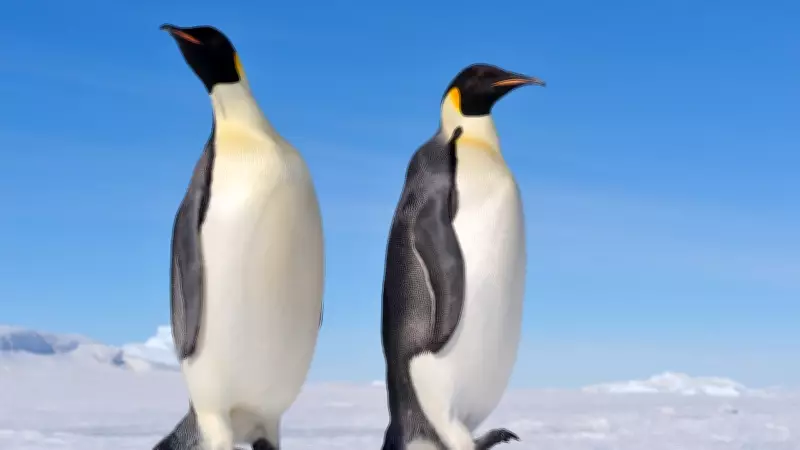
Emperor Penguins Officially Listed as Endangered Species Amid Climate Crisis
The International Union for Conservation of Nature (IUCN) has officially designated emperor penguins as an endangered species, marking a significant milestone in the ongoing climate crisis. This classification places these iconic Antarctic birds alongside polar bears as two of the most recognizable polar species threatened by global warming and habitat destruction.
Rapid Decline Driven by Melting Sea Ice
Scientific research indicates that emperor penguin populations have experienced a dramatic decline in recent decades, primarily due to the loss of sea ice caused by rising global temperatures. These majestic birds rely on stable sea ice platforms for breeding, raising their young, and accessing food sources. As Arctic and Antarctic regions warm at unprecedented rates, the essential ice habitats that emperor penguins depend upon are disappearing at alarming speeds.
The endangered status reflects the urgent need for conservation measures to protect these vulnerable animals from extinction. Climate scientists have documented how shrinking ice coverage directly impacts penguin breeding success, with entire colonies facing catastrophic breeding failures when ice breaks up prematurely.

Parallel Threats to Polar Bears
Emperor penguins now join polar bears as the two most iconic polar species officially recognized as endangered due to climate change. Polar bears have faced similar habitat destruction as Arctic sea ice diminishes, limiting their ability to hunt seals and maintain healthy populations. Both species serve as critical indicators of polar ecosystem health, and their declining numbers signal broader environmental imbalances.
Conservation biologists emphasize that protecting these species requires addressing the root causes of climate change, including reducing greenhouse gas emissions and implementing sustainable environmental policies. The simultaneous endangerment of emperor penguins and polar bears highlights how polar regions are experiencing some of the most severe impacts of global warming.
Conservation Efforts and Future Outlook
Environmental organizations are calling for increased protection measures for emperor penguin habitats, including the establishment of marine protected areas and stricter regulations on human activities in Antarctic regions. Research initiatives continue to monitor penguin populations and track how changing environmental conditions affect their survival rates.
The IUCN listing represents more than just a classification change—it serves as a powerful reminder of the tangible consequences of climate change on vulnerable wildlife. As global temperatures continue to rise, scientists warn that without significant intervention, both emperor penguins and polar bears could face irreversible population declines that threaten their long-term survival in the wild.