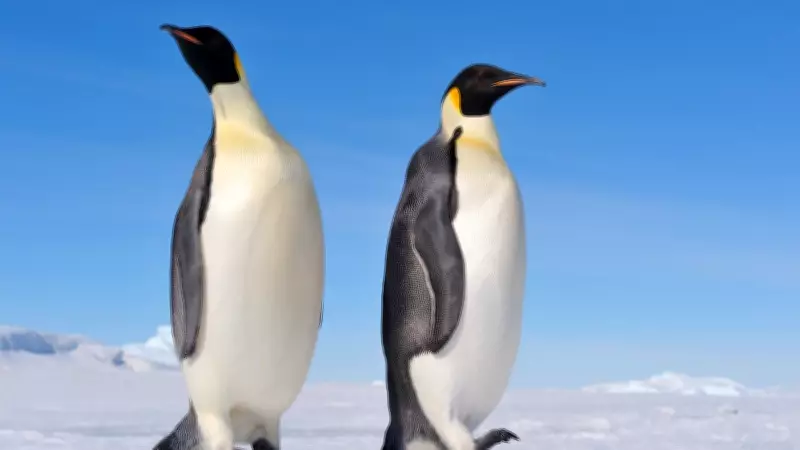
Emperor Penguins Officially Listed as Endangered Species by Global Conservation Body
The iconic emperor penguin, a symbol of Antarctica's frozen wilderness, has been formally classified as an endangered species by the International Union for Conservation of Nature (IUCN). This significant reclassification, announced in April 2026, reflects the severe and escalating threats these majestic birds face from climate change-driven habitat destruction.
Sea Ice Loss: The Primary Driver of Population Decline
The IUCN's decision is based on extensive scientific research demonstrating that emperor penguin populations are at high risk of rapid decline. The primary threat is the dramatic loss of stable sea ice in Antarctica, which is directly linked to global warming. Emperor penguins depend on this sea ice for breeding, raising their chicks, and molting. As temperatures rise and ice formations become less predictable and stable, their ability to successfully reproduce and survive is being critically compromised.
Research indicates that if current greenhouse gas emission trends continue, the global emperor penguin population could decline by more than half by the end of this century. Some colonies have already experienced catastrophic breeding failures when sea ice broke up prematurely, leading to the drowning of chicks that were not yet ready to swim.

Conservation Implications and Global Response
This new endangered status elevates the conservation priority for emperor penguins on the global stage. It places them alongside other species facing a very high risk of extinction in the wild. The classification serves as a stark warning and a call to action for international climate policy.
The listing underscores the profound impact that polar amplification—the phenomenon where the Arctic and Antarctic warm faster than the global average—is having on specialized ecosystems. Conservation biologists argue that protecting emperor penguins is inextricably linked to mitigating climate change through aggressive reductions in carbon emissions.
Key conservation steps highlighted by experts include:
- Strengthening international agreements to limit global temperature rise, specifically to protect polar regions.
- Designating critical emperor penguin breeding areas as marine protected zones to minimize additional human pressures.
- Increasing funding for long-term monitoring and research to track population trends and breeding success.
The fate of the emperor penguin has become a powerful barometer for the health of the entire Antarctic ecosystem. Their new status as an endangered species is not just a classification—it is a clear signal that the consequences of climate change are unfolding now, with tangible impacts on Earth's most remote and fragile wildlife.