Firewood Disposal Urged After Sixth Dutch Elm Disease Case
Edmonton officials are urging residents who have been camping to discard all firewood before returning to the city, aiming to curb the spread of Dutch elm disease (DED). The call comes after the confirmation of a sixth case of the fungal disease in Edmonton, as reported by the city on June 30, 2026.
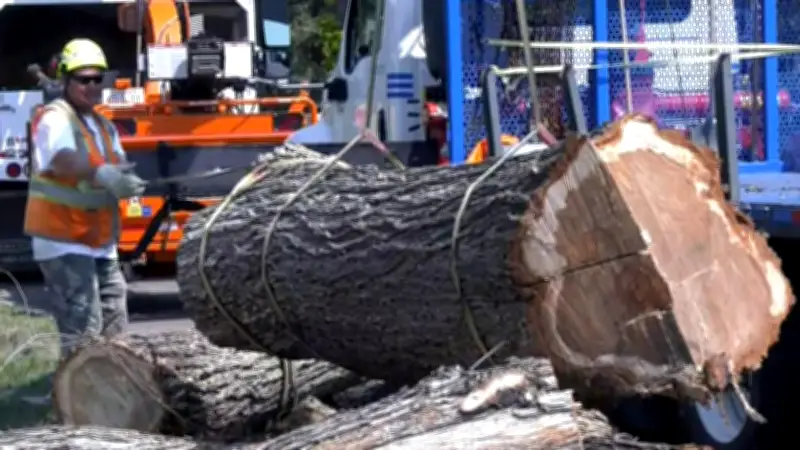
Dutch elm disease is a devastating fungal infection that clogs the water-conducting vessels of elm trees, leading to wilting and death. It is primarily spread by elm bark beetles, which can be transported in firewood. Once infected, trees must be removed to prevent further transmission.
Campers Asked to Leave Firewood Behind
Residents who have traveled to campgrounds or rural areas are advised to dispose of any firewood they brought back, rather than storing it for later use. The city emphasizes that firewood from outside Edmonton may harbor beetles carrying the DED fungus, posing a risk to the urban elm population.

According to city officials, the ban on bringing firewood into Edmonton is part of a broader strategy to protect the city's estimated 80,000 elm trees, which are a key part of the urban canopy. Elm trees line many streets and provide significant shade and aesthetic value.
Sixth Case Confirmed in Edmonton
The latest case of DED was identified in a tree in the central part of the city, prompting immediate removal. The city's urban forestry team is conducting surveillance and testing to detect any additional infections early. Residents are encouraged to report any elm trees showing signs of DED, such as yellowing or wilting leaves, to the city's 311 service.
“We need everyone’s help to protect our elm trees,” said a city spokesperson. “Discarding firewood properly is a simple but crucial step. Do not bring it home, and do not transport it to other areas.”
Provincial and Regional Efforts
The push to control DED is not limited to Edmonton. The province of Alberta has regulations in place to restrict the movement of firewood, and similar advisories have been issued in other municipalities. The disease has been a concern in the region for years, with outbreaks periodically occurring despite monitoring and removal efforts.
Residents are reminded that firewood should be purchased locally where possible, and any wood brought from outside the city should be burned immediately or disposed of in designated waste facilities. The city also offers disposal options at its eco stations.
Impact on Urban Forest
The loss of elm trees to DED can have significant environmental and economic impacts. Mature elms provide cooling, improve air quality, and increase property values. The city spends hundreds of thousands of dollars annually on monitoring, removal, and replanting efforts.
Officials stress that early detection and public cooperation are key to preventing a widespread outbreak. With the sixth case now confirmed, vigilance is higher than ever.