Edmonton Councillors Advocate for Lucy the Elephant to Remain at Valley Zoo as a Model for Improvement
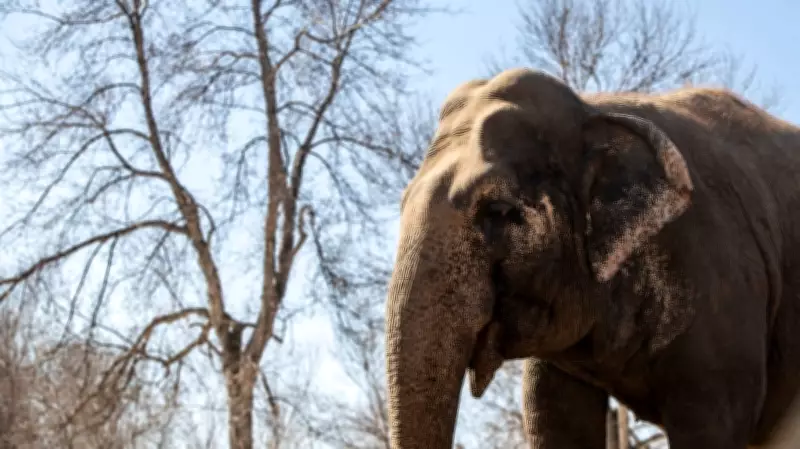
In a significant development regarding animal welfare and public policy, Edmonton city councillors have voiced strong support for Lucy the elephant to continue residing at the Edmonton Valley Zoo. However, they emphasize that her presence should serve as a critical lesson in implementing and upholding best practices in zoo management and animal care.
A Case Study in Animal Welfare and Public Accountability
The discussion around Lucy has intensified in recent years, with advocates and experts debating the suitability of her living conditions. Councillors now propose that rather than relocating her, the zoo should use Lucy's situation as a foundational case study to enhance operational standards. This approach aims to transform potential shortcomings into opportunities for systemic improvement, ensuring that all animals under the zoo's care benefit from elevated protocols.
Councillors argue that Lucy's stay can foster greater transparency and public education. By openly addressing her needs and the zoo's responses, the institution can demonstrate a commitment to ethical stewardship. This strategy not only prioritizes Lucy's well-being but also sets a precedent for how zoos nationwide can evolve in their treatment of large, intelligent mammals.

Implementing Enhanced Standards and Community Engagement
The push for best practices involves several key areas:
- Upgraded Habitat Design: Ensuring that Lucy's enclosure meets or exceeds modern standards for space, enrichment, and social interaction, tailored to her specific physiological and psychological needs.
- Veterinary and Behavioral Monitoring: Establishing rigorous, ongoing health assessments and behavioral studies to adapt care strategies proactively, rather than reactively.
- Public Outreach Programs: Developing educational initiatives that inform visitors about elephant conservation, the challenges of captive care, and the zoo's role in global wildlife preservation efforts.
These measures are intended to align the zoo with leading international benchmarks, potentially making it a reference point for other facilities facing similar scrutiny. Councillors stress that this is not merely about retaining a popular attraction but about embodying a philosophy of continuous improvement and accountability.
Broader Implications for Zoo Management and Policy
The debate over Lucy underscores larger questions about the role of zoos in contemporary society. As public expectations shift towards higher ethical standards, institutions must balance educational missions with animal welfare imperatives. Edmonton's councillors believe that by addressing Lucy's case head-on, the zoo can contribute to a broader dialogue on sustainable and humane wildlife management.
This stance reflects a growing trend where municipal governments take active roles in overseeing animal-related facilities, ensuring they serve both community interests and conservation goals. The outcome could influence policies beyond Edmonton, encouraging other cities to adopt similar frameworks for evaluating and enhancing zoo operations.
Ultimately, the councillors' position highlights a nuanced perspective: keeping Lucy at the Edmonton Valley Zoo is not an endpoint but a starting point for transformative change. It is an opportunity to learn, adapt, and set new standards that respect both animal dignity and public trust, fostering an environment where education and ethics go hand in hand.