Edmonton Implements Seasonal Elm-Pruning Ban to Curb Dutch Elm Disease
In a decisive move to protect its urban forest, the city of Edmonton will enforce a ban on pruning elm trees starting next month. This seasonal prohibition, announced in late March 2026, aims to halt the spread of Dutch elm disease, a devastating fungal infection that has already been confirmed in four cases within the city.
Understanding the Threat: Dutch Elm Disease
Dutch elm disease is caused by a fungus that clogs the water-conducting vessels of elm trees, leading to wilting, yellowing leaves, and eventual death. The disease spreads primarily through elm bark beetles, which are attracted to fresh pruning wounds on trees. By restricting pruning during the beetles' active season—typically from April to September—Edmonton hopes to reduce these infection points and safeguard its elm canopy.
"This ban is a critical preventive measure," explained a city forestry official. "Pruning cuts create open wounds that emit scents, drawing in beetles that may carry the fungus. By limiting pruning to the dormant season, we minimize this risk and give our elms a fighting chance."

Historical Context and Recent Cases
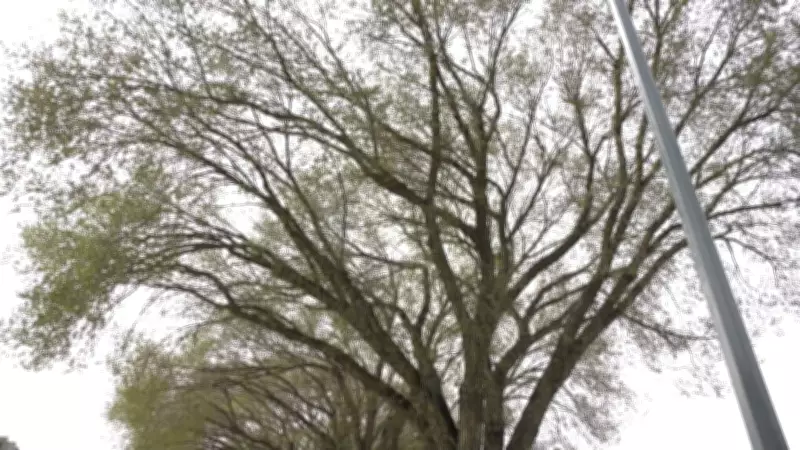
Edmonton's elm trees, which contribute significantly to the city's green infrastructure and aesthetic appeal, have been under threat for years. The disease was first detected in Alberta in the 1970s, but recent confirmations—including four cases in 2024—have heightened concerns. These incidents followed a period of visible canopy health in May 2024, underscoring how quickly the situation can deteriorate.
The ban aligns with broader municipal strategies for urban forestry management, which include monitoring, sanitation removals of infected trees, and public education campaigns. Residents are encouraged to report any signs of Dutch elm disease, such as sudden leaf drop or branch dieback, to city authorities.
Impact on Residents and Compliance
While the ban may inconvenience some homeowners and landscaping services, exceptions will be made for safety-related pruning, such as removing hazardous branches. The city plans to ramp up enforcement through inspections and fines for non-compliance, emphasizing that collective action is essential to preserve Edmonton's tree cover.
Key points for the public include:
- The ban takes effect in April 2026 and runs through September.
- Pruning is still permitted from October to March, when beetles are inactive.
- Proper disposal of elm wood is required to prevent further spread.
- Reporting suspected cases helps track and contain outbreaks.
This proactive approach mirrors measures in other Canadian cities grappling with Dutch elm disease, such as Winnipeg and Regina, where similar bans have shown effectiveness in slowing transmission rates.
Looking Ahead: Long-Term Urban Forestry Goals
Beyond the immediate ban, Edmonton is investing in research and replanting initiatives to diversify its tree species and reduce reliance on elms. "We're not just reacting to a crisis; we're building a resilient urban ecosystem," added the forestry official. Future plans may include introducing disease-resistant elm varieties and enhancing public awareness through community workshops.
As the city braces for the upcoming season, residents are urged to familiarize themselves with the new regulations and participate in conservation efforts. The success of this ban will depend on widespread cooperation, potentially setting a precedent for other municipalities facing similar environmental challenges.