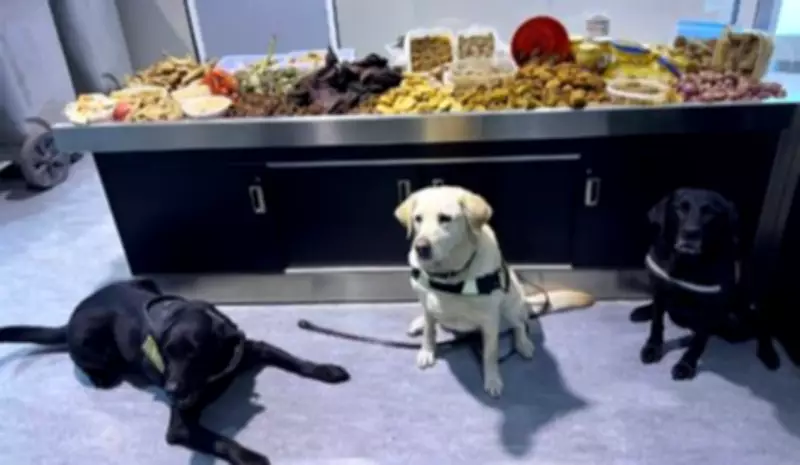
A trio of detector dogs named Dharla, Olga, and Theo successfully intercepted undeclared meat at Toronto Pearson International Airport, according to a report released on May 13, 2026. The canine team, trained to sniff out prohibited agricultural products, discovered the contraband during a routine inspection of incoming passenger luggage. This operation underscores the ongoing efforts by Canadian authorities to prevent the entry of foreign animal diseases that could threaten the country's livestock and food supply.
Canine Detection Success
The three dogs, part of a specialized program, are known for their exceptional olfactory abilities. Dharla, a Labrador retriever, Olga, a German shepherd, and Theo, a beagle, have been working together to identify undeclared meat products that travelers attempt to bring into Canada. Their latest find involved a passenger arriving from an undisclosed international destination, who had hidden meat items in their luggage without declaring them. The dogs alerted their handlers, leading to the seizure of the products.
Importance of Agricultural Security
The interception is a critical reminder of the importance of agricultural security at Canada's borders. Undeclared meat can carry pathogens such as African swine fever or foot-and-mouth disease, which could devastate Canadian farms. The Canada Border Services Agency (CBSA) and the Canadian Food Inspection Agency (CFIA) work closely with detector dog teams to enforce regulations. Travelers are reminded to declare all food products or face penalties, including fines and potential legal action.

The detector dog program has been highly effective, with these canines intercepting thousands of prohibited items annually. Their success relies on rigorous training and strong bonds with their handlers. The dogs are rewarded with play and treats after each successful detection, making the work enjoyable for them.
This incident comes as part of a broader effort to enhance biosecurity measures at Canadian airports. With global travel increasing, the risk of invasive pests and diseases rises. Authorities continue to invest in detection technologies and canine teams to mitigate these threats. The public is encouraged to cooperate by declaring agricultural items and adhering to import regulations.