Cuba was plunged into darkness for the second time in a week on July 10, 2026, as the island's fragile power grid collapsed, leaving millions of residents without electricity. The blackout comes just days after a similar outage on July 6, highlighting the deepening energy crisis in the country.
Widespread Impact Across the Island
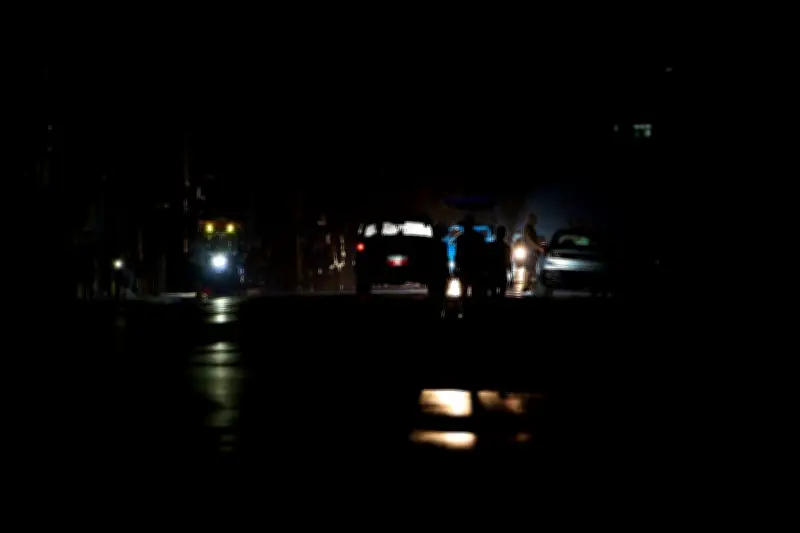
The blackout affected all 15 provinces, including the capital Havana, where residents were seen walking along darkened streets. The Cuban government has not yet provided a timeline for power restoration, but officials indicated that repairs are underway.
Root Causes of the Grid Failure
According to experts, the repeated failures stem from aging infrastructure, fuel shortages, and lack of maintenance. Cuba's power plants, many built decades ago, are increasingly unreliable. The U.S. embargo has also hindered access to spare parts and technology needed for upgrades.

Economic and Social Consequences
The blackouts have disrupted daily life, forcing businesses to close, halting public transportation, and straining hospitals that rely on backup generators. Food spoilage is a growing concern as refrigeration fails. The Cuban government has urged citizens to remain calm and conserve resources.
“This is a severe blow to our economy and the well-being of our people,” said a Cuban energy official, speaking on condition of anonymity. “We are working around the clock to stabilize the grid.”
Regional Context
The crisis in Cuba mirrors broader energy challenges in the Caribbean, where many nations struggle with outdated grids and dependence on imported fossil fuels. However, Cuba's situation is exacerbated by its isolation and limited access to international financing.
International aid organizations have offered assistance, but political tensions with the United States complicate relief efforts. The Biden administration has stated it is monitoring the situation but has not announced any specific aid package.