Chernobyl's Radioactive Landscape: A Testament to Nature's Resilience
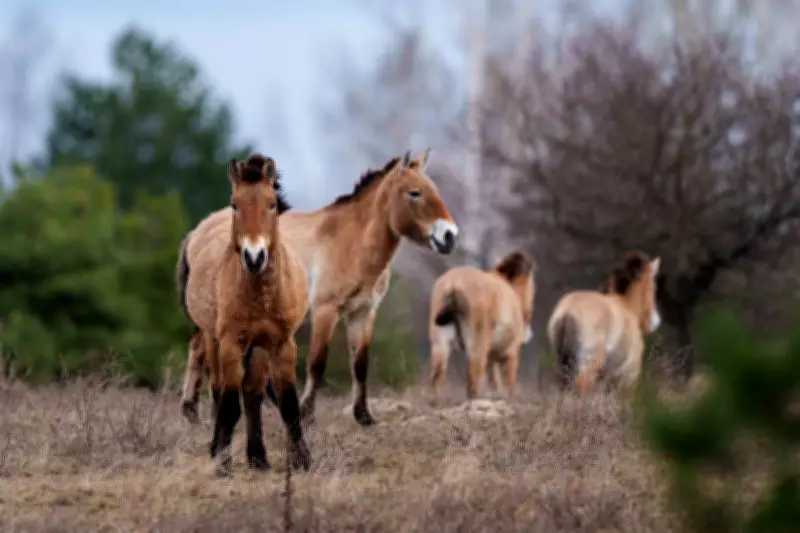
In the shadow of one of history's worst nuclear disasters, an unexpected story of survival and renewal is unfolding. The Chernobyl exclusion zone, a vast area in Ukraine contaminated by radioactive fallout from the 1986 reactor meltdown, has transformed into a de facto wildlife sanctuary. Recent observations, including images captured in April 2026, show wild Przewalski horses grazing peacefully in forests within the zone, offering a powerful symbol of nature's enduring spirit.
An Unlikely Refuge for Endangered Species
The presence of Przewalski horses, an endangered species once extinct in the wild, highlights the zone's paradoxical role. With human activity largely absent due to radiation risks, ecosystems have rebounded in surprising ways. These sturdy horses, native to Central Asia, were reintroduced to the region years ago and have since adapted to the unique conditions. Their ability to thrive amidst lingering radioactivity challenges conventional assumptions about environmental recovery.
Scientists note that while radiation levels remain hazardous for long-term human habitation, many animal populations have not only persisted but flourished. The exclusion zone, spanning approximately 2,600 square kilometers, now hosts a diverse array of species, including wolves, lynx, bears, and numerous bird species. This resurgence underscores nature's capacity to reclaim spaces altered by human catastrophe.

Lessons in Ecological Adaptation
Research conducted in the area reveals complex ecological dynamics. Some species exhibit genetic adaptations to radiation exposure, while others benefit from the absence of human pressures like hunting, agriculture, and urbanization. The zone's forests, rivers, and wetlands have regenerated, creating habitats that support biodiversity in ways not seen in surrounding populated regions.
The Chernobyl landscape serves as a living laboratory for studying long-term environmental recovery. It provides insights into how ecosystems respond to extreme disturbances and offers clues for conservation efforts in other contaminated or degraded areas worldwide. The resilience observed here is not a dismissal of radiation's dangers but a testament to life's tenacity.
A Symbolic and Scientific Marvel
Beyond its scientific significance, Chernobyl's revival carries profound symbolic weight. It reminds us of nature's ability to heal and adapt, even in the face of human-made disasters. The grazing Przewalski horses, captured in recent photographs, stand as poignant ambassadors of this narrative—creatures that have found a foothold in a place once deemed uninhabitable.
As climate change and environmental degradation pose increasing threats globally, the lessons from Chernobyl emphasize the importance of protecting natural spaces and allowing ecosystems the time and space to recover. The zone's transformation from a nuclear wasteland to a wildlife haven is a powerful story of hope and resilience, written in the landscape itself.