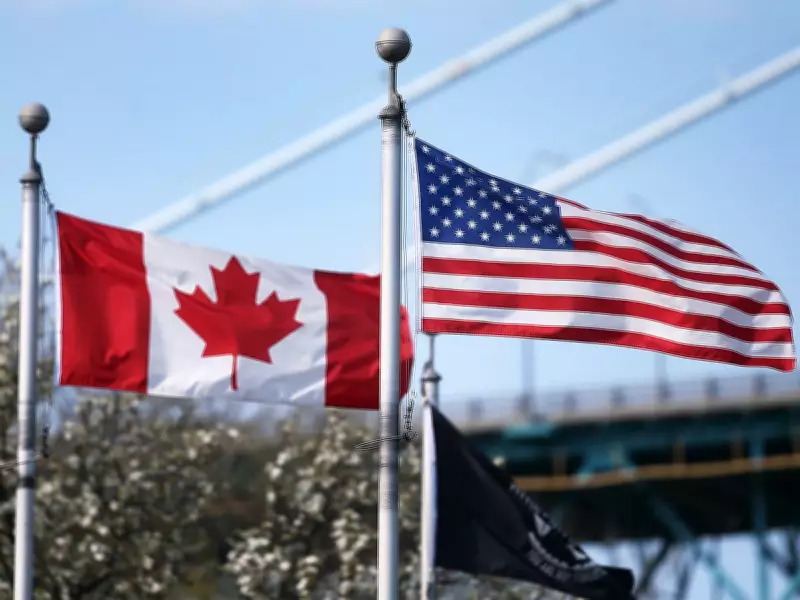
A comprehensive study analyzing cellphone data from approximately seven million phones per month has revealed a dramatic decline in Canadian visits to 267 U.S. metropolitan areas between April 2024 and March 2026. The research, conducted by the School of Cities at the University of Toronto, shows an average year-over-year drop of 42 percent in Canadian visitors, significantly higher than the roughly 25 percent decline recorded by border crossing estimates from Statistics Canada.
Sharp declines in popular destinations
Snowbird havens such as Myrtle Beach, South Carolina, and Yuma, Arizona, experienced drops exceeding 60 percent. The data, presented in chart form, resembles a heart monitor that shows strong pulses before flatlining, indicating a sustained reduction in Canadian travel to the United States.
Professor Karen Chapple, director of the School of Cities, noted that the border crossing data does not capture the full extent of the decline in Canadian business and trade-related travel. Additionally, when Canadians do travel to the U.S., they are visiting fewer locations and staying for shorter periods than before.

Three cities buck the trend
Oddly, three cities recorded significant increases in Canadian visitors: Gainesville, Florida, with a surge of 21 percent; Cleveland, Ohio, up 35 percent; and Portland, Oregon, also up 35 percent. Researchers are uncertain why these relatively unremarkable cities are drawing more Canadians. “We have puzzled over that one,” said Chapple.
Gainesville, with a population of 141,000, is a university town and sports hub. The University of Florida campus is the third largest public university in the U.S. by enrollment, and its Ben Hill Griffin Stadium seats 90,000. Chapple speculated that the increase could be related to sports travel, tournaments, student travel, or conferences.
Cleveland and Portland, however, are more puzzling. Neither is an economic or tourism powerhouse. Cleveland, with 365,000 residents, is Ohio's second-largest city and ranks 53rd in the U.S. Portland, with about 635,000 people, ranks 28th. Chapple suggested that major events, such as sports games involving the Toronto Blue Jays or festivals like Portland's Rose Festival in May and June, might have contributed to the spikes. However, neither city hosted a major conference during the summer months that would attract many Canadians, and many U.S. conferences have relocated to Canada during the Trump administration.
Future research
Chapple noted that the team is following up by examining correlations between visitation rates and the composition of regional economies. “We can only hypothesize,” she said, adding that more data on this front is expected soon.